

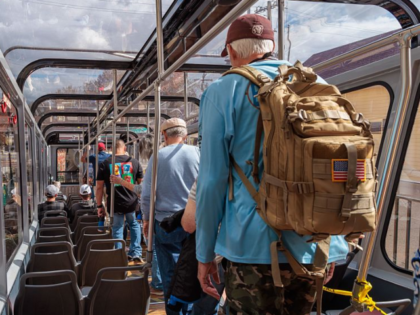
In the rolling hills above Chattanooga, a railway conductor’s simple nod to July 4th—words meant to celebrate the birth of a nation—cost him his job after one tourist decided patriotism was offensive. The incident is a textbook example of how private employers, increasingly sensitive to complaints from out-of-state visitors, are willing to jettison long-time employees rather than defend the cultural heritage that once defined places like Tennessee. For Second Amendment advocates, the firing is a reminder that the same corporate risk-aversion now targeting speech will eventually target the tools of liberty; if a conductor can be cashiered for reciting the Declaration’s spirit, a law-abiding gun owner can just as easily be denied service or employment for lawfully carrying.
The broader implication is chilling: as tourism dollars flow from blue-state visitors who expect every public-facing worker to mirror coastal sensibilities, local businesses face mounting pressure to sanitize regional identity. That pressure does not stop at fireworks and flags; it creeps into hiring practices, training manuals, and ultimately the political climate that shapes carry laws and constitutional carry expansions. When a railway chooses to side with a single complaint over a conductor’s right to acknowledge the holiday that secured those very rights, it signals to the 2A community that economic leverage is being weaponized against cultural self-expression—the same self-expression that historically included the armed citizenry’s role in securing independence.
Ultimately, the story underscores why vigilance must extend beyond legislation to the court of public opinion and consumer choice. Pro-2A travelers can reward businesses that refuse to cancel employees for patriotic candor, while highlighting those that fold at the first offended email. In an era when corporate America treats the Second Amendment as a liability rather than a birthright, every dollar spent—or withheld—becomes a quiet referendum on whether the spirit of 1776 still has a place on Tennessee’s rails.


