

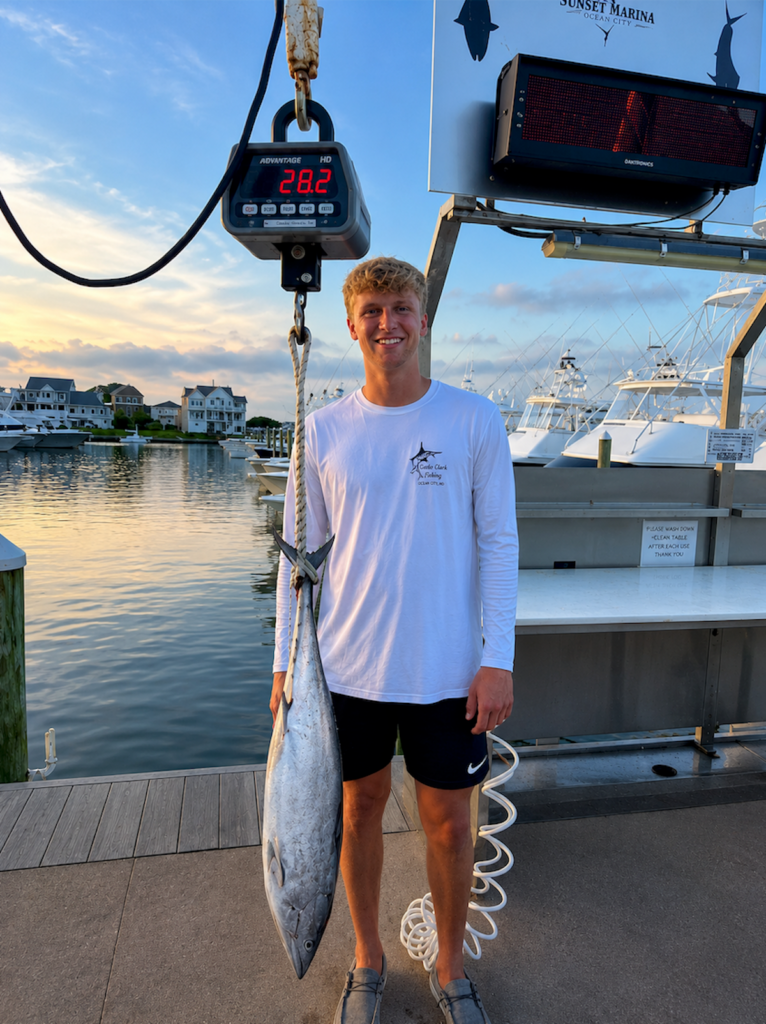
Cooper Clark’s near-miss with a 28.2-pound false albacore is more than a fishing story—it’s a reminder that the same self-reliant mindset that keeps a teenager from turning a potential state record into chum is exactly what the Second Amendment protects. The 19-year-old Ocean City angler had the fish on ice and was already thinking about cutting it up when the Maryland Department of Natural Resources stepped in to certify the catch; one wrong assumption and the fish would have been bait instead of history. That razor-thin margin between success and regret mirrors the daily calculus every armed citizen makes: the decision to carry, train, and stay ready is often invisible until the moment it matters.
For the 2A community the lesson is straightforward—individual responsibility and preparedness turn ordinary outings into record-setting moments, whether the “catch” is a trophy fish or a defensive encounter. Clark’s story also underscores how quickly government agencies insert themselves once something of value appears; the same regulatory impulse that now claims credit for verifying his fish can just as easily attempt to restrict the tools citizens use to defend themselves and their families. Staying informed, documenting your actions, and refusing to cede ground to bureaucratic overreach are the same habits that keep both fishing rights and firearm rights intact.
Ultimately, Clark’s tale celebrates the American tradition of heading out with skill, gear, and the freedom to make your own decisions on the water or in the woods. Those freedoms are not granted by agencies—they are secured by an armed, vigilant populace that refuses to let either fish or firearms become someone else’s property to manage.


