

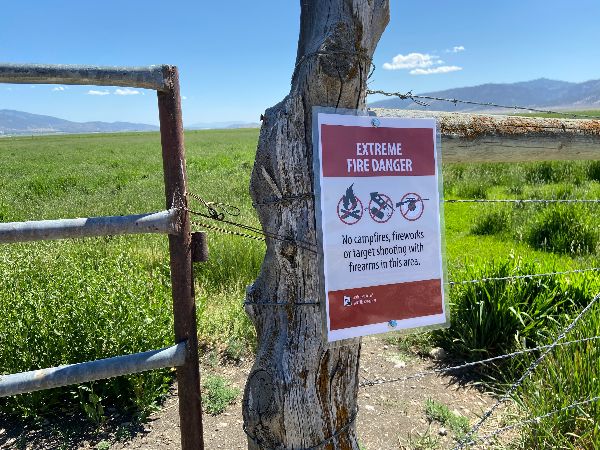
Utah’s temporary target-shooting ban on 16 counties’ wildlife management areas is a textbook example of how “temporary” and “reasonable” restrictions can quietly normalize the idea that public land access is a privilege the government can dial up or down with the weather report. While the Division of Wildlife Resources insists the move is only about wildfire risk and leaves actual hunting untouched, the optics still matter: millions of acres that sportsmen and sportswomen have long treated as de-facto ranges are suddenly off-limits for the one activity—plinking—that keeps skills sharp when seasons are closed. The 2A community has seen this pattern before; once a restriction is framed as an emergency measure, extending or expanding it becomes politically easier the next time drought maps turn red.
What makes the story especially instructive is how little push-back the announcement generated from the usual coalition of hunting groups. That silence risks sending the message that recreational shooting is somehow less legitimate than hunting, even though both rely on the same constitutional foundation and the same public-land infrastructure. In practice, the people most affected are rural families who use nearby WMAs for inexpensive, convenient practice; urban ranges are often booked solid or priced out of reach. If the restriction lingers past the first snows—or migrates into permanent “seasonal” rules—those shooters will have lost ground that will be hard to claw back without organized, data-driven advocacy showing that properly managed target areas do not increase wildfire starts.
The larger takeaway for gun owners is that access is now a front-line issue alongside magazine capacity or permit reform. Every time land managers treat recreational shooting as the first activity to curtail, they reinforce the narrative that our rights are situational rather than fundamental. The Utah episode is small in geographic scope, but it is a warning shot: if the 2A community treats range access as someone else’s problem, we may wake up to find that the only legal place left to shoot is the narrow strip between the “No Shooting” sign and the next locked gate.


