

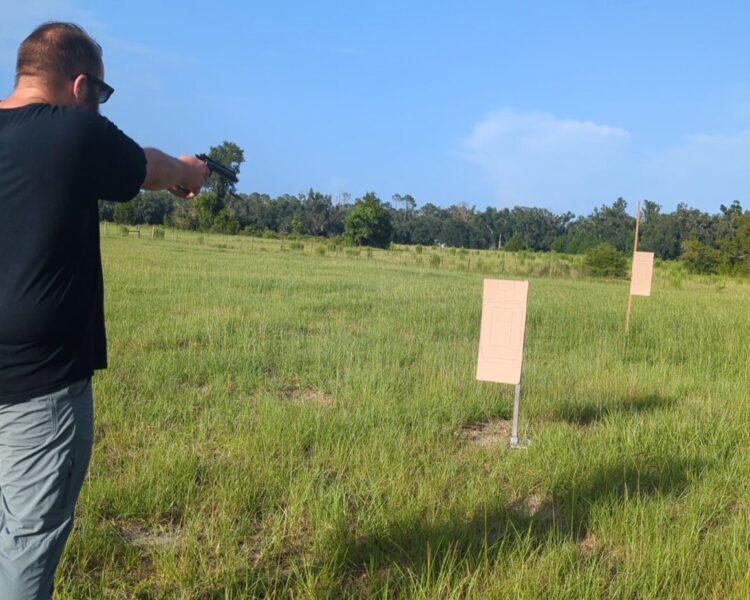
In the world of firearms instruction, most shooters obsess over the front sight and the perfect sight picture, yet the real bottleneck often sits a few yards farther downrange. Adding target depth—placing multiple threats or reactive plates at staggered distances—forces the shooter to manage throttle control, that delicate balance between speed and precision that separates a competent gun handler from someone who can actually fight with the gun. Instead of burning through a flat range course at one constant pace, the shooter must constantly recalibrate visual focus, trigger pressure, and body position as the eye jumps from a close threat to a distant one, building the exact neural pathways that matter when the clock is running and the targets aren’t cooperating.
For the broader Second Amendment community this isn’t just another drill; it’s a direct rebuttal to the “spray and pray” caricature that anti-gun voices love to trot out. When instructors emphasize depth training, they’re proving that responsible armed citizens train for discrimination and accountability, not volume of fire. The skill set translates straight into home-defense scenarios where family members may be moving through the house or into a lawful self-defense encounter on the street where bystanders and background are real concerns. Departments that have adopted similar three-dimensional drills report measurable drops in both over-penetration incidents and failure-to-stop shootings, data that quietly strengthens the argument that an armed populace can be both effective and restrained.
Ultimately, target-depth work reframes the entire conversation around what it means to be “qualified” to carry. Instead of checking a box with a single-distance qualification course, shooters who embrace depth training demonstrate repeatable, stress-tested judgment under varying visual and temporal loads. That kind of demonstrated competence is the strongest cultural and legal shield the 2A community can build—evidence that the right to keep and bear arms is exercised by people who have done the hard, unglamorous work of mastering when and where to place each round.


