

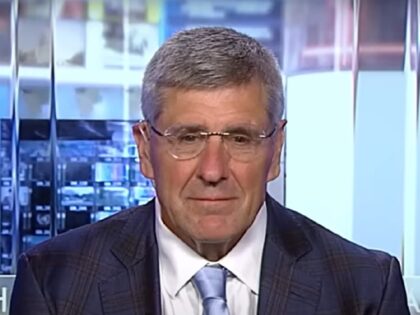
Steve Moore’s suggestion that data centers should subsidize everyone else’s power bills is the kind of top-down redistribution that always ends up with the same result: higher costs, less reliability, and more government leverage over the grid. When politicians and their economic advisers start treating private industry as a piggy bank for “other people’s” expenses, the first things to suffer are the very industries that keep the lights on and the servers humming—industries that also happen to rely on affordable, abundant energy to manufacture, test, and transport the firearms and components Second Amendment supporters depend on. Forcing hyperscale facilities to overpay for electricity doesn’t magically create new generation; it simply distorts markets, drives up rates for manufacturers and homeowners alike, and hands regulators another dial to turn when they decide certain uses of energy are politically disfavored.
The deeper problem is that this mindset treats electricity as a social good to be rationed rather than a commodity produced by competitive enterprise. Data centers already pay premium rates in many markets precisely because they demand 24/7 reliability; layering on an explicit “pay for your neighbor” mandate only accelerates the flight of capital to states that still respect property rights and price signals. That capital flight matters to the firearms community because domestic gun and ammunition makers need stable baseload power—natural gas, coal, and increasingly small modular nuclear—to keep presses running and heat-treat barrels without interruption. When energy policy becomes another vehicle for wealth transfer, the same politicians who want to soak data centers rarely stop there; they soon eye every high-load industrial user, including precision manufacturers whose CNC machines and testing ranges are essential to keeping civilian arms affordable and available.
In the end, Moore’s framing reveals the same central-planning impulse that has repeatedly threatened the right to keep and bear arms: the belief that government can rearrange economic incentives without unintended consequences for liberty. Pro-2A advocates should watch these energy debates closely, because every new surcharge, mandate, or subsidy that distorts the grid also distorts the supply chains that produce magazines, optics, and ammunition. The surest way to protect both affordable electricity and the tools of self-defense is to reject the notion that any private enterprise “owes” its neighbors a blank check and instead demand policy that lets markets build the reliable power the entire economy—including the firearms sector—requires.


