

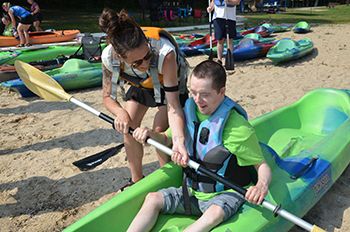
Michigan’s state parks are rolling out a packed July calendar that quietly underscores a core truth for gun owners: public lands remain one of the last truly shared spaces where citizens can still exercise both their Second Amendment rights and their broader outdoor freedoms without needing a permission slip from a private landowner. Events like dune-interpretation walks at Muskegon and adaptive recreation at Interlochen aren’t just feel-good programming; they’re practical reminders that the same statutes and management plans governing trails and campsites also determine where lawful carry, target practice on adjacent private parcels, and hunter access are tolerated or restricted. When Pheasants Forever shows up to teach habitat work, it’s not only about upland birds—it’s about keeping working lands productive so that future generations can still hunt them, an activity that depends on the same political will that keeps parks open rather than locked behind “no-shooting” buffers that creep outward every budget cycle.
The wellness retreats and orienteering challenges further illustrate how state agencies are marketing public acreage as inclusive, multi-use real estate, a narrative that 2A advocates should amplify rather than cede. Every family that discovers they can enjoy a Christmas-in-July festival one weekend and a legal hunt the next is another voter less likely to support the next round of incremental closures or magazine bans dressed up as “public-safety zones.” Conversely, if these events become the only face the public sees, anti-gun activists will happily frame every acre as a “sensitive space” where carry must be curtailed. The takeaway is straightforward: show up, participate, and make the case—loudly—that the same accessibility being celebrated this summer is meaningless without the ability to defend oneself while enjoying it.


