

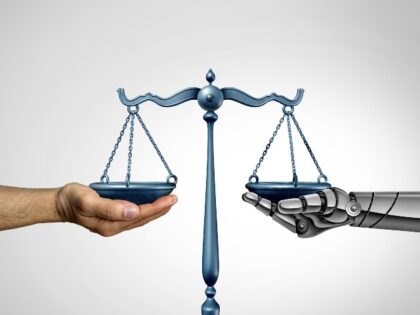
In an era where even the ivory towers of legal academia are conceding ground to silicon, the Stanford blind study lands like a quiet but unmistakable shot across the bow: when law professors themselves can’t reliably tell the difference—and in three-quarters of cases actually prefer the machine’s output—the old gatekeepers of precedent and interpretation are facing an existential recalibration. For the 2A community this isn’t merely an academic parlor trick; it’s a potential force-multiplier in a legal landscape where anti-gun litigation is often dressed up as scholarship. If AI can already out-argue credentialed professors on neutral questions, imagine what it can do when pointed at the historical, textual, and structural arguments that have repeatedly dismantled magazine bans, “assault weapon” prohibitions, and sensitive-place restrictions. The study quietly validates what many grassroots defenders have long suspected: the credential cartel’s monopoly on “expert” analysis is cracking, and that opens the door for faster, cheaper, and perhaps more intellectually honest scrutiny of the next wave of gun-control measures dressed as amicus briefs.
The deeper implication is strategic rather than merely technological. Law schools have historically supplied the intellectual ammunition for restrictions that later reach the courts; now those same institutions are being outflanked by tools that don’t require tenure, grants, or ideological conformity. Pro-2A litigators and policy shops can leverage AI to stress-test every citation, surface overlooked ratification-era sources, and generate counter-narratives at a pace that cash-strapped citizen groups could never match with traditional researchers. Of course, the technology is only as good as the prompts and the human oversight that steers it, but the Stanford result suggests the baseline competence bar has already been cleared. In short, the same disruption that is embarrassing law professors may ultimately help restore the original public meaning of the Second Amendment by flooding the zone with rigorous, rapidly produced scholarship that judges—and the public—can no longer ignore.


