

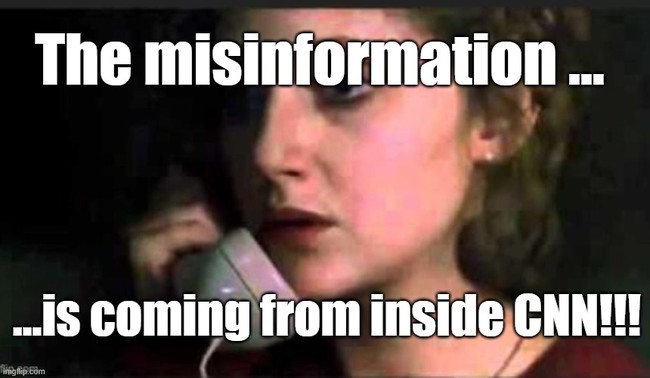
In an era where media outlets scramble for scoops on political health scares, CNN’s latest gaffe—treating a parody Twitter account as a legitimate GOP source on Mitch McConnell’s condition—lays bare how thin the line between satire and “breaking news” has become. The network’s rush to publish unvetted quotes from an obvious joke handle not only embarrassed its own editorial process but also handed critics fresh ammunition about legacy-media sloppiness. For Second Amendment advocates who have watched the same outlets recycle debunked “assault weapon” statistics or mislabel standard-capacity magazines, the episode feels like déjà vu: when the facts are inconvenient, narrative momentum often trumps verification.
The deeper takeaway for the gun-rights community is that institutional credibility is eroding at precisely the moment the stakes are rising. With midterms and potential Supreme Court vacancies looming, every misstep by outlets that reflexively frame lawful gun owners as extremists becomes another data point in the case for bypassing legacy gatekeepers. Pro-2A voices already rely on primary documents—court filings, ATF trace data, state legislative text—rather than cable chyrons; CNN’s parody-account blunder simply accelerates that migration. When even basic sourcing fails, audiences rightly ask why they should trust the same organizations on magazine bans, red-flag procedures, or the definition of a “semiautomatic.”
Ultimately, the episode underscores why grassroots transparency tools—FOIA requests, state open-records laws, and independent data dashboards—matter more than ever. A single lazy attribution can shape public perception of a senator’s fitness, just as a single viral clip can distort the mechanics of a defensive-gun-use incident. The 2A community’s long game remains unchanged: keep the receipts, demand primary sources, and treat every media shortcut as another reason to stay armed with facts.


