

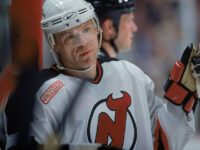
The tragic death of Claude Lemieux, the hard-nosed NHL enforcer who once terrorized opponents in the corners, has taken a darker turn with his son’s revelation that a relapse into sex addiction preceded the suicide. What began as a story of a retired athlete struggling with post-career demons has now become a cautionary tale about untreated compulsions that can metastasize into lethal despair. For the firearms community, the lesson is immediate: when mental-health crises collide with isolation and shame, the presence of a lawfully owned firearm can become the difference between a survivable moment and an irreversible one. Responsible gun owners already know that safe storage, quick-access biometric safes, and honest conversations with family are not optional accessories—they are the last line of defense when addiction or depression returns.
Lemieux’s story also underscores why the 2A community must reject the false choice between rights and mental-health support. The same people who defend the right to keep and bear arms are often the first to advocate for confidential counseling, veterans’ peer networks, and red-flag reforms that actually work instead of turning into lifetime bans. Framing suicide prevention as a gun-control issue only drives struggling individuals underground; framing it as a community-responsibility issue keeps both the firearm and the person intact. Lemieux’s son’s willingness to speak publicly may yet save lives if it prompts other high-profile athletes—and the fans who idolize them—to treat sex addiction and other behavioral disorders with the same seriousness once reserved for torn ACLs.
Ultimately, the 2A world’s response should be practical rather than political: encourage secure storage that still allows rapid access for home defense, normalize asking a buddy “are you okay?” without judgment, and keep pushing for insurance reforms so that mental-health treatment does not require surrendering privacy or rights. Claude Lemieux’s story is not an argument against firearms; it is an argument for the kind of proactive culture that treats every lawful gun owner as a potential lifeline for someone in crisis.


