

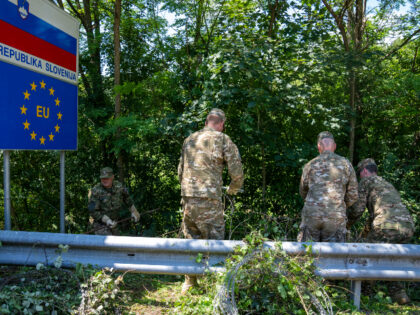
The grim discovery of four migrants dead and fifteen more clinging to life after their smuggler abandoned them on the Croatia–Slovenia frontier is more than a Balkan tragedy—it is a textbook demonstration of how transnational criminal organizations treat human cargo as expendable ballast once the profit is pocketed. The same calculus that leaves bodies in the scrub along the Rio Grande is now playing out on the edges of the Schengen zone, proving that the business model of modern smuggling is border-agnostic: overload the transport, cut losses when detection looms, and vanish before authorities arrive. For the 2A community the lesson is immediate: when governments cannot—or will not—secure their frontiers, the vacuum is filled by armed syndicates whose only rule is maximizing revenue per head, whether the cargo is fentanyl, firearms, or desperate migrants.
That pattern carries a second, sharper warning for American gun owners. Cartels that dominate the southern route have already diversified into weapons trafficking, using the same corridors and the same disposable human shields to move stolen or straw-purchased firearms north and south. The Balkan episode shows how quickly those networks replicate elsewhere once enforcement gaps appear; if European states continue to prioritize optics over operational control, we should expect parallel flows of illicit arms feeding the same criminal ecosystems that already threaten U.S. communities. Law-abiding citizens who rely on the Second Amendment for self-defense therefore have a vested interest in supporting policies that treat smuggling as the violent enterprise it is, rather than a humanitarian footnote.
Finally, the incident underscores why armed, trained citizens remain the ultimate backstop when state capacity falters. Whether the threat manifests as cartel gunmen on a remote ranch or opportunistic predators exploiting chaotic migration corridors, the right to keep and bear arms is not an abstraction—it is the practical means by which individuals and communities deter the spillover violence that inevitably follows unsecured borders. The bodies on the Croatia–Slovenia line are a stark reminder that geography does not immunize any nation from the consequences of treating border security as optional.


