

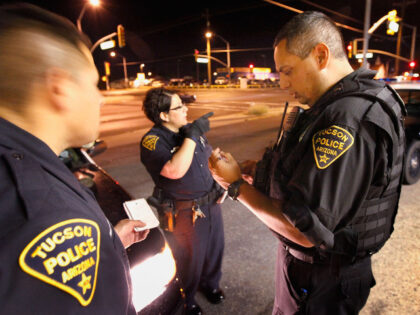
In Tucson, a clash between rival groups escalated into gunfire that left nine people injured, underscoring how quickly personal disputes can turn lethal when firearms enter the equation. The incident wasn’t a random spree or a lone-wolf attack; it was the predictable outcome of two factions already at odds, each apparently willing to settle scores with bullets rather than words or the legal system. For Second Amendment supporters, the takeaway isn’t that guns are the problem—it’s that the people wielding them chose violence over restraint, a distinction the media often blurs when it frames every shooting as evidence that more restrictions are needed.
What stands out is the absence of any claim that the victims or shooters were lawfully carrying for self-defense; instead, the confrontation itself appears to have been the catalyst, reminding law-abiding carriers that the right to bear arms carries an equal duty to de-escalate and avoid places where trouble is brewing. Arizona’s permissive carry laws didn’t create this violence; they simply ensured that anyone who was armed had the option to protect themselves once the first shots rang out. The real policy question is why communities tolerate ongoing group conflicts that predictably produce these outcomes, rather than why citizens retain the tools to defend against them.
For the 2A community, stories like this reinforce the need to champion responsible ownership, situational awareness, and cultural pushback against the “gun as first resort” mindset that some subcultures still glorify. When the press defaults to “more laws” without examining the human decisions that precede the trigger pull, it misses the chance to address root causes—failed deterrence, weak prosecution of aggressors, and a media environment that treats every defensive or criminal shooting as interchangeable. The Tucson shooting is another data point that the problem isn’t the hardware; it’s the choices people make with it.


