

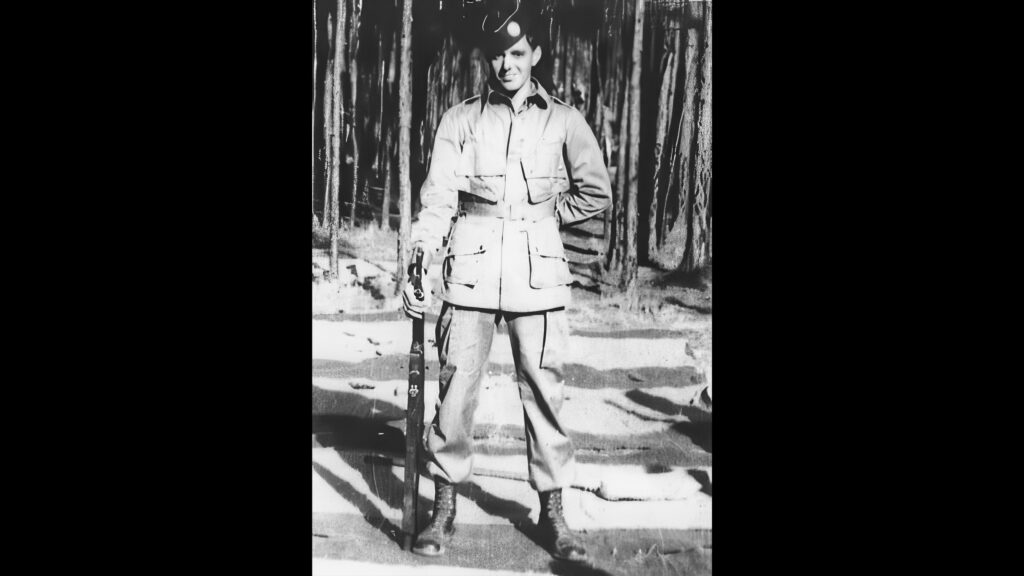
Shifty Powers wasn’t just another rifleman in Easy Company—he was the guy whose uncanny eye and steady hand made the difference between a clean shot and a missed opportunity in the frozen hell of the Ardennes. While Hollywood captured his quiet competence on screen, the real Darrell “Shifty” Powers embodied the American rifleman tradition: a civilian marksman who answered the call, carried his issued M1 Garand with the same respect he gave his squirrel rifle back home, and proved that individual skill with a firearm still mattered even in the age of massed artillery and tanks. His story quietly underscores a truth the 2A community has long understood—marksmanship isn’t a government program or a squad tactic; it’s a personal discipline passed from father to son, honed on the range and in the woods, then carried into whatever fight history demands.
What makes Powers’ legacy especially resonant today is how it pushes back against the modern narrative that firearms proficiency belongs only to professionals or the state. Here was an Appalachian kid whose pre-war hunting experience translated directly into combat effectiveness, a living rebuttal to the idea that “assault weapons” or “military-grade” training are prerequisites for responsible armed citizenship. When anti-2A voices claim ordinary Americans have no business owning the same platforms used by soldiers, Shifty’s record reminds us that the Second Amendment was never about recreating the Continental Army—it was about preserving the right of free citizens to remain dangerous to tyrants and competent in their own defense. His post-war life, spent as a quiet family man who never sought the spotlight, further illustrates the archetype the gun-control crowd fears most: the armed citizen who trains, serves when needed, then returns to ordinary life without becoming a threat to anyone except those who would threaten him.
For today’s 2A advocates, Powers’ example carries a practical implication that goes beyond nostalgia. It suggests that the best defense of our rights isn’t only court filings or lobbying, but the continued cultivation of a citizenry that actually knows how to shoot. Every range day, every hunter-education class, every father teaching his daughter safe gun handling is a small act of cultural preservation that keeps the Shifty Powers tradition alive. In an era when some politicians would prefer an unarmed, dependent population, his story stands as quiet proof that the armed citizen—competent, responsible, and unapologetic—remains the ultimate check on overreach.


