

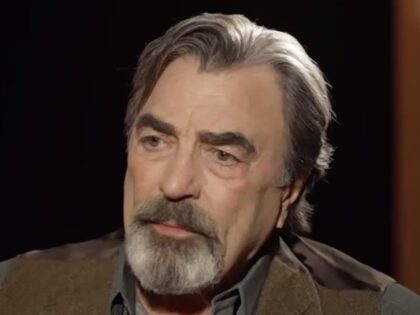
Tom Selleck’s decision to keep his politics to himself is less a retreat than a calculated defense of his own brand—and, by extension, a quiet win for the Second Amendment community that has long claimed him as one of its most visible standard-bearers. In an era when every red-carpet interview doubles as a loyalty test, the man who once played the most famous private investigator on television is choosing the oldest play in the entertainment book: let the work do the talking. That restraint doesn’t make him apolitical; it makes him harder to cancel, harder to pigeonhole, and therefore harder to sideline when the next magazine-capacity or “ghost-gun” debate rolls around. For millions of viewers who still associate the name Selleck with upright, law-abiding gun owners, his silence is paradoxically louder than any tweet.
The deeper implication is that cultural legitimacy for gun rights no longer depends on scoring partisan points; it depends on keeping persuadable audiences in the room. When an actor as bankable as Selleck refuses to hand either cable-news tribe a headline, he preserves access to living rooms that might otherwise change the channel the moment a Second Amendment bumper sticker appears. That matters more than ever now that Hollywood’s own trade papers are openly debating whether on-screen depictions of legal firearms should come with disclaimers. By staying “Switzerland,” Selleck keeps the door cracked for writers, directors, and sponsors who would rather not turn every project into a referendum on the Second Amendment. In short, his refusal to “piss off half the country” is itself a pro-2A strategy—one that trades the dopamine of the hot take for the slower, steadier work of cultural normalization.


