

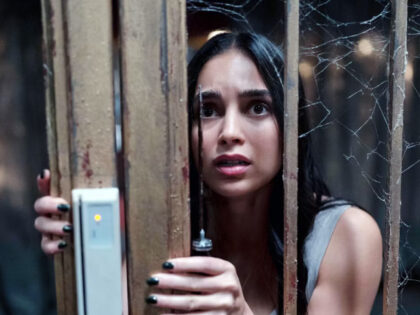
Melissa Barrera’s public stand against Israel’s response to the October 7 massacre has cost her a lucrative franchise role and, according to the actress, a broader place at Hollywood’s table. What makes the episode noteworthy for gun-rights advocates is not the geopolitics but the speed with which an entire industry can convert private speech into professional exile. Studios that once marketed themselves as champions of “diversity of thought” now treat dissent on a single foreign-policy question as radioactive, a reminder that the same corporate machinery could just as easily turn on citizens who refuse to surrender their Second Amendment rights when political winds shift.
The blacklist, whether formal or informal, also underscores how cultural institutions increasingly outsource moral judgments to activist investors and social-media mobs. Firearm owners have watched parallel pressure campaigns unfold against banks, insurers, and payment processors that still serve legal gun businesses; the Barrera case simply transplants that tactic from the financial sector to the entertainment one. When the same tactics can bankrupt an actress for an Instagram post, they can—and do—starve gun-friendly merchants of capital, shelf space, and advertising partners.
For the 2A community the lesson is straightforward: speech that challenges prevailing orthodoxy is only as secure as the alternative platforms, financing networks, and audience pipelines willing to defend it. Building parallel institutions in film, finance, and technology is no longer an abstract preference; it is a practical necessity if the right to keep and bear arms is to remain more than a parchment guarantee subject to the next cultural purge.


