

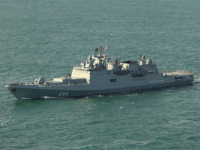
The incident in the English Channel, where a Russian warship reportedly opened fire near a British yacht, isn’t just another headline about distant naval posturing—it’s a stark reminder that freedom of navigation and the right to self-defense are inseparable. While the yacht’s crew likely relied on the Royal Navy’s distant protection, the episode underscores how quickly state actors can turn international waters into contested zones. For Americans who cherish the Second Amendment, the takeaway is blunt: when governments control every firearm and citizens are left hoping distant fleets will arrive in time, vulnerability becomes policy rather than accident.
Russia’s willingness to brandish heavy ordnance against civilian craft also spotlights the asymmetry between state power and individual preparedness. In the U.S., an armed citizen on a private vessel retains at least the theoretical option to deter boarders or signal resolve; in much of Europe, even the notion of a defensive firearm aboard a pleasure craft is effectively criminalized. That legal disparity doesn’t just shape weekend regattas—it quietly redraws the map of who can operate confidently in increasingly lawless maritime corridors.
Strategically, the event feeds a broader narrative that hybrid aggression—harassing shipping, probing air defenses, testing responses—will continue as long as the costs remain low. For the 2A community, the lesson is less about yachts than about the principle that rights exercised only at the sufferance of the state are rights already half surrendered. Maintaining the individual right to keep and bear arms isn’t an antiquated hobby; it’s a hedge against the day when gray-zone confrontations migrate closer to home and the cavalry is busy elsewhere.


