

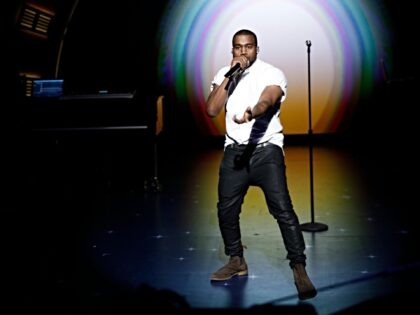
The abrupt cancellation of Kanye West’s two sold-out stadium dates in Russia is more than a scheduling hiccup—it’s a reminder that even the most bankable entertainers can be sidelined when politics and optics collide. Russian promoters, facing mounting international pressure and domestic optics concerns, chose to pull the plug rather than risk the optics of hosting an artist whose recent public statements have been as polarizing as his music is profitable. For the 2A community, the episode is a case study in how cultural gatekeepers—whether governments, corporations, or activist campaigns—can weaponize access to venues, payment processors, and media platforms to punish dissent.
What makes the story especially instructive is the speed with which the decision was made: no gradual tapering of ticket sales, no drawn-out negotiations, just a swift “nyet” that left fans and local vendors holding the bag. That same speed is increasingly visible on American soil whenever a firearms-related business, instructor, or even an individual competitor runs afoul of shifting corporate risk assessments. Payment processors quietly drop accounts, insurers non-renew, and stadiums or convention centers cite “community standards” to justify exclusion. The Russian episode simply removes the middlemen; the underlying mechanism—centralized control over the public square—is identical.
The takeaway for Second Amendment advocates is straightforward: diversify platforms, cultivate alternative venues, and treat every contract as contingent on the next wave of cultural scrutiny. If a global superstar can be erased from a foreign skyline overnight, a local gun show, training seminar, or pro-2A concert can vanish just as quickly when the prevailing political wind shifts. The lesson isn’t to retreat, but to build parallel infrastructure sturdy enough to withstand the next round of cancellations—wherever they originate.


