

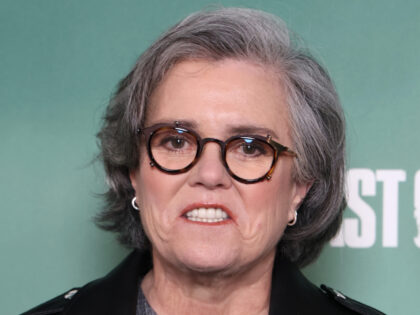
Rosie O’Donnell’s admission that she quietly underwent a facelift after years of branding the procedure a “betrayal” of feminism is less a personal confession than a case study in selective principles. The same cultural voices that once framed cosmetic surgery as capitulation to patriarchal standards now treat it as an unremarkable lifestyle choice once the mirror stops cooperating. That pivot matters to the 2A community because it mirrors the identical rhetorical sleight-of-hand used against gun owners: yesterday’s “extreme” position becomes today’s quiet necessity once personal security or political reality intrudes.
The deeper implication is that elite opinion on rights—whether the right to alter one’s appearance or the right to keep and bear arms—remains contingent on whose ox is being gored. When public figures quietly arm themselves or quietly tighten security after decrying “assault weapons” on television, the inconsistency rarely triggers the same media scrutiny that follows a law-abiding citizen’s range day. O’Donnell’s reversal simply makes the pattern visible: principles advertised as universal often function as situational tools for social leverage until the advocate needs an exception.
For Second Amendment advocates, the takeaway is straightforward. Consistent application of individual rights does not require public approval or ideological purity tests; it requires recognizing that self-determination, whether over one’s face or one’s firearm, belongs to the citizen, not the current cultural script. The moment a prominent voice concedes that personal choice can override yesterday’s dogma, the argument for shall-issue carry, constitutional carry, and the broader right of self-defense gains another data point against the claim that only approved people may exercise approved rights.


