

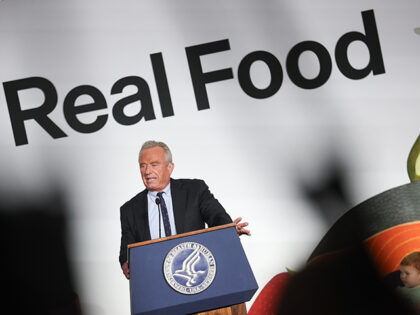
RFK Jr.’s announcement that “real food” sales finally beat ultra-processed products by seven percent is more than a grocery-store footnote—it’s a cultural inflection point that the Second Amendment community should watch closely. For decades, the same regulatory mindset that treats food as an industrial commodity has tried to treat firearms the same way: something to be engineered, tracked, and ultimately controlled by distant bureaucracies. When consumers start rejecting lab-formulated calories in favor of pasture-raised beef and backyard eggs, they’re exercising the same instinct that drives millions of Americans to home gunsmithing, 80-percent builds, and local gun clubs—self-reliance over centralized supply chains.
That instinct matters because the administrative state rarely stops at one domain. Agencies already float “climate-based” ammunition restrictions and nutrition-style warning labels on rifle cases; if the public can push back against seed-oil subsidies and dye-stuffed cereals, it can also demand that ATF rule-makings face the same sunlight now bathing the food pyramid. The seven-point swing RFK Jr. cited wasn’t delivered by new mandates—it came from shoppers voting with their dollars, a reminder that markets, culture, and individual responsibility remain the strongest checks on regulatory overreach.
For 2A advocates, the lesson is straightforward: every skill that shortens the distance between citizen and dinner plate also shortens the distance between citizen and self-defense. Raising chickens teaches feed-and-water discipline; reloading teaches component accountability; both reinforce the principle that free people handle their own essentials. As real-food momentum builds, it creates space for parallel conversations about real rights—rights that, like pasture-raised protein, spoil quickly when entrusted to processors instead of practitioners.


