

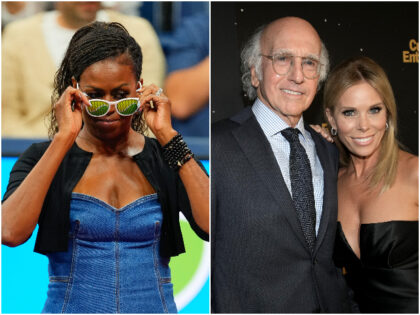
Michelle Obama’s reported behind-the-scenes veto of Cheryl Hines for Larry David’s new HBO series isn’t just another Hollywood casting spat—it’s a textbook example of how elite cultural gatekeepers weaponize personal relationships to enforce ideological conformity. By allegedly punishing an actress for marrying Robert F. Kennedy Jr., whose recent tenure as HHS Secretary has included scrutiny of federal overreach and public-health mandates, Obama’s circle signaled that even tangential proximity to dissenting voices on government power is disqualifying. For the 2A community this matters because the same machinery that blacklists actors for family ties is the one that has long sought to marginalize gun owners, portraying them as fringe threats rather than citizens exercising a constitutional right.
The deeper implication is that cultural institutions—entertainment, media, academia—function as soft-power extensions of political enforcement. When a former first lady can reportedly nix a role over a spouse’s policy positions, it underscores how little daylight exists between the administrative state and the cultural levers that shape public perception of rights like self-defense. Gun owners have watched this playbook for years: legacy outlets frame defensive firearm use as “vigilantism,” while quietly celebrating restrictions that would never be applied to other enumerated rights. The Hines episode simply makes the mechanism visible to a wider audience.
Ultimately, the story reinforces why parallel institutions and independent platforms matter. If access to storytelling, employment, and even social legitimacy can be revoked for marrying the wrong person, then preserving spaces where 2A perspectives can be aired without elite veto becomes not just desirable but necessary for a functioning republic.


