

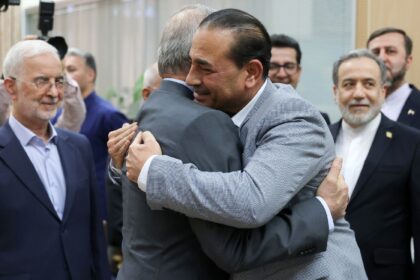
The reported thaw between Washington and Tehran isn’t just another diplomatic headline—it’s a potential inflection point for global arms markets and the long-term health of the Second Amendment. Any draft deal that loosens sanctions or restarts oil revenue flows will flood Iran with hard currency that can be redirected toward proxy militias, missile programs, and the very networks that funnel weapons to cartels and terror groups on America’s southern border. That means more pressure on domestic gun owners to remain vigilant, because the same illicit pipelines that move narcotics north can just as easily move firearms south if enforcement resources are stretched thin by renewed Middle-East commitments.
At the same time, a U.S.–Iran rapprochement could shift Pentagon priorities away from near-peer competition and back toward counter-insurgency and maritime interdiction, potentially slowing the pace of next-generation small-arms modernization that benefits civilian shooters through trickle-down technology. Pro-2A advocates should watch the fine print on any sanctions relief: history shows that once dollars start flowing, dual-use components and optics quietly follow, undercutting the very export controls that keep advanced sighting systems and suppressors out of the wrong hands. In short, the diplomatic chessboard in Vienna or wherever these talks migrate will have downstream effects on magazine bans, parts kits, and the regulatory climate here at home—another reminder that foreign policy and firearm freedom are never as separate as they seem.


