

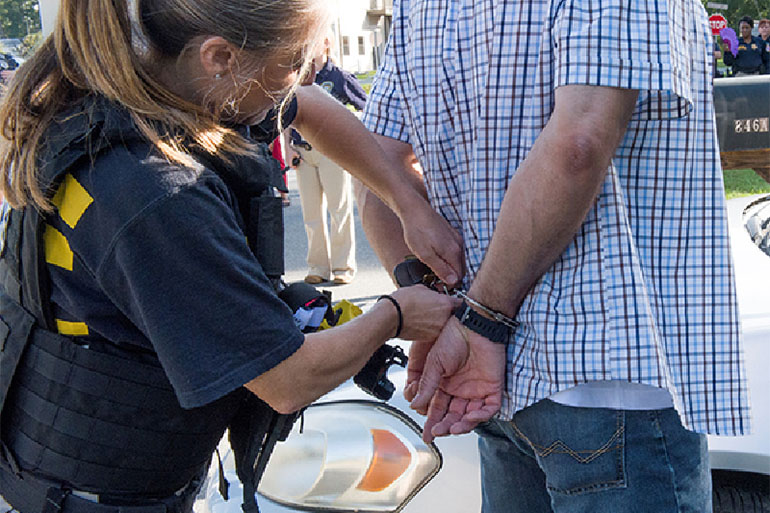
The notion that violent crime can be tamed without heroic new programs or endless spending is refreshing precisely because it rests on three timeless levers: swift arrest, certain conviction, and meaningful incarceration. When governments treat these steps as optional rather than foundational, they signal to predators that the odds favor the criminal, not the citizen. The piece rightly pairs that enforcement triad with the right of law-abiding people to meet force with force, reminding readers that self-defense is not a loophole but the original backstop against lawlessness. For the 2A community, this is more than theory; every permit holder who trains and carries is effectively volunteering to raise the cost of crime in real time, filling gaps left by under-policed streets and revolving-door courts.
Data from the last half-century shows that jurisdictions willing to keep violent offenders off the street—think New York’s 1990s CompStat era or Florida’s shall-issue reforms—saw homicide rates fall faster than national averages, while cities that prioritized reduced prosecutions watched shootings rebound. The implication is straightforward: policy that weakens prosecution or chills armed self-defense does not merely fail to help victims; it actively subsidizes the next attack. Gun owners therefore have a direct stake in supporting prosecutors who file charges, judges who impose sentences, and legislators who refuse to criminalize the mere act of carrying. When those three conditions align, the “complicated” problem of violent crime shrinks to a question of political will.
Ultimately, the article’s blunt diagnosis—that officials must simply decide to make crime expensive—hands the 2A movement both a talking point and a measuring stick. Every time a city slashes bail, empties jails, or floats “sensitive place” bans that disarm the very people most exposed to street violence, the community can point back to the evidence: deterrence works when it is applied, and an armed citizenry multiplies that deterrence without adding a single tax dollar. The choice is not between compassion and safety; it is between pretending crime is an unsolvable mystery and treating it as the predictable result of predictable incentives.


