

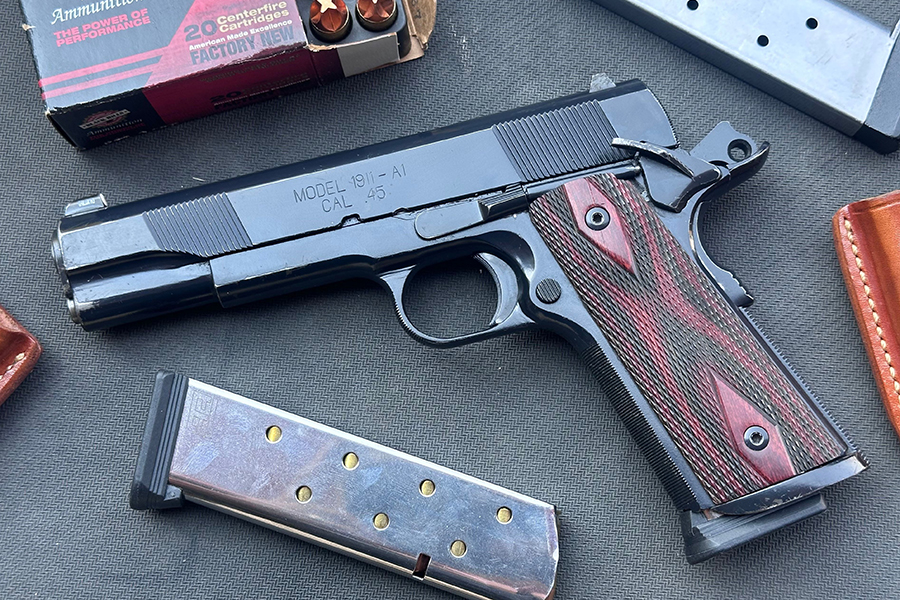
Every gun guy eventually hits that moment when the safe stops being a collection and starts looking like an inheritance. The article nails the quiet truth that most firearms don’t stay “mine” forever; they drift into the category of “Dad’s gun,” the one the next generation reaches for first when they want to feel connected to the old man. What makes the piece sharp is how it frames this not as loss, but as legacy—each rifle or pistol carrying forward the stories, the range trips, and the quiet lessons about responsibility that no safety pamphlet can replace.
That shift matters for the 2A community because it turns personal property into cultural transmission. A gun that once sat in a nightstand for home defense becomes the .22 a teenager learns on, then the deer rifle a college kid brings home on break, then the sidearm handed down at a wedding. Those hand-offs do more to normalize lawful ownership than any lobbying push; they embed the right to keep and bear arms inside family memory instead of leaving it as an abstract policy debate. When the next generation already associates firearms with competence, discipline, and generational trust, restrictions start to feel less like public-safety measures and more like attacks on something intimate.
The practical takeaway is simple: treat every purchase as a potential heirloom. Document the provenance, keep the rifle in good repair, and—most importantly—make the range time a ritual rather than a transaction. Because the guns that survive as “Dad’s gun” aren’t the ones that stayed locked away; they’re the ones that were used, maintained, and deliberately passed on. In that sense, the Second Amendment isn’t just preserved in courtrooms; it’s preserved every time a father shows his kid how to clear a firearm before he shows him how to shoot it.


