

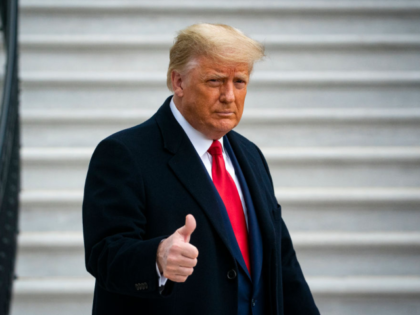
The newly revealed Memorandum of Understanding between Washington and Tehran reads like a diplomatic love letter to a regime that still chants “Death to America” while its proxies rain rockets on U.S. partners. Far from the “maximum pressure” era that squeezed Iran’s oil revenue and kept its nuclear clock frozen, this text quietly re-opens channels for sanctions relief, unfrozen assets, and renewed diplomatic cover—moves that historically translate into more cash flowing to the IRGC and its regional murder machines. For the Second Amendment community the lesson is immediate and uncomfortable: every dollar Tehran regains is a dollar that can buy more drones for Hezbollah, more missiles for the Houthis, and more influence inside the Beltway to push the same gun-control playbooks already tested in Europe and Australia.
When administrations trade hard power for photo-ops, domestic policy rarely stays insulated. The same officials now courting Tehran are the ones who spent the last decade labeling ordinary gun owners “domestic threats” and floating red-flag laws that bypass due process. A resurgent Iran with deeper pockets means louder voices in international forums demanding global arms-control norms that inevitably migrate home as model legislation, UN-style marking requirements, or renewed pushes against so-called “assault weapons.” The 2A community has watched this pattern before—foreign-policy weakness abroad reliably pairs with regulatory aggression at home—so the MOU isn’t just another Middle-East headline; it’s another data point showing why vigilance on both fronts remains non-negotiable.


