

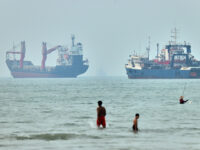
The failure of Qatar’s latest diplomatic push with Iran over the Strait of Hormuz is more than just another headline from the Persian Gulf; it’s a flashing red light for anyone who pays attention to energy routes and the weapons that protect them. When Tehran refuses even modest confidence-building measures, it signals that the mullahs still believe they can hold a global chokepoint hostage. That posture keeps oil and LNG tankers under constant threat, which in turn keeps defense budgets—and the demand for reliable small arms, optics, and crew-served weapons—on an upward trajectory for the U.S. Navy, partner navies, and the private security teams that ride shotgun on commercial hulls.
For the 2A community the takeaway is straightforward: every time a maritime flashpoint simmers, the case for an armed citizenry and a robust domestic firearms industry gets stronger, not weaker. Lawmakers who want American carriers and replenishment ships to remain on station understand that those platforms are only as good as the trained shooters and armorers who maintain them. At the same time, the same geopolitical uncertainty that drives Pentagon procurement also ripples into the civilian market; importers and manufacturers hedge against future sanctions or shipping disruptions by keeping production lines hot here at home. In short, when diplomats leave the table empty-handed in Doha, the practical result is more range time, more factory shifts, and a clearer reminder that the Second Amendment isn’t an abstract right—it’s part of the logistics chain that keeps Hormuz open and the global economy moving.


