

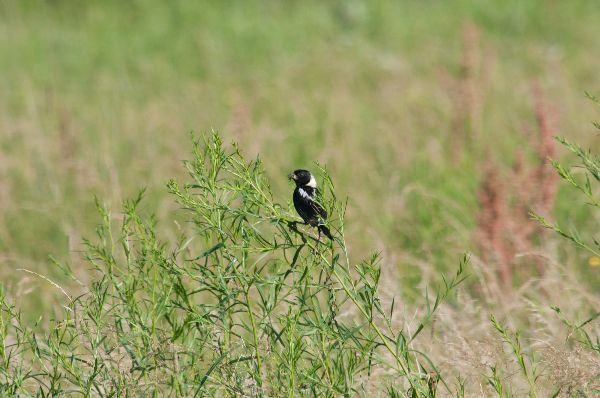
In the rolling fields where bobolinks and meadowlarks still raise their broods, Vermont’s call to hold off mowing until August 1 is more than a wildlife tip—it’s a reminder that private land stewardship remains the most effective conservation tool in America. When landowners voluntarily delay a cut that would otherwise destroy nests, they are exercising the same property rights that underpin the Second Amendment: the freedom to manage one’s acreage without a federal timetable dictating every pass of the tractor. Programs like EQIP and The Bobolink Project simply sweeten that choice with cost-share dollars, proving that incentives outperform mandates every time.
For the 2A community this story carries a deeper signal. Grassland birds thrive where ownership is secure and management decisions stay local; the same principle applies to the rural ranges, woodlots, and back-forty target areas that shooting clubs and individual landowners maintain. When government agencies respect that autonomy—offering technical help rather than habitat edicts—hunters, sport shooters, and farmers alike keep both their firearms and their fields. Curtailing private control over mowing schedules would be the first step toward curtailing private control over the tools used to defend those fields.
The takeaway is straightforward: conservation succeeds when it aligns with the incentives of ownership, not when it overrides them. By choosing to mow later, Vermont landowners are quietly reinforcing the constitutional architecture that lets citizens keep both wildlife habitat and the means to protect it.


