

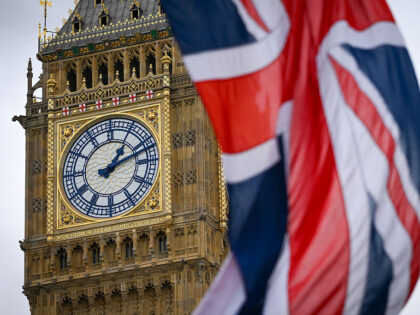
Britain’s once-unquestioned institutions are losing their grip on the public imagination, and the numbers tell a story that goes far deeper than a simple dip in national pride. When citizens stop seeing the BBC, Parliament, or even the armed forces as extensions of their own identity, the cultural glue that once held the country together begins to crack. That same erosion of trust is now spilling over onto “non-British” groups, suggesting the public is not merely disillusioned with its own elites but increasingly wary of any authority that feels imposed rather than earned. For Americans who still prize the Second Amendment, the lesson is immediate: when a population loses faith in the institutions meant to protect it, the natural response is to look elsewhere for security—starting with the individual right to keep and bear arms.
The British experience also underscores how fragile the “social license” for self-defense can become once the state claims a monopoly on legitimate force. As faith in police effectiveness and judicial impartiality wanes, law-abiding citizens are left weighing the cost of compliance against the risk of vulnerability. In the UK, that calculation has already produced some of the strictest gun laws in the Western world, yet rising knife crime and home invasions show that criminals rarely consult the statute book. The American 2A community watches this unfold as a cautionary tale: the moment a society decides that only the government may be armed, it also decides that only the government may be trusted—an assumption history rarely rewards.
Ultimately, the collapse of institutional legitimacy in Britain is not an abstract cultural shift; it is a live-fire demonstration of why the Founders encoded the right to bear arms in the Bill of Rights rather than in a legislative favor that could be repealed by the next Parliament. When pride in the state withers, the only remaining line of defense is the armed citizenry itself. The data from Britain simply remind us that rights not exercised are rights soon redefined—and that a free people must retain both the hardware and the cultural permission to protect themselves when every other safeguard has failed.


