

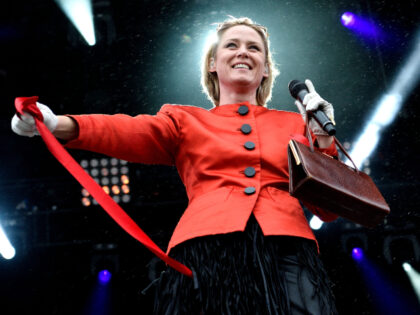
Roisin Murphy’s blunt refusal to host trans activists at her shows isn’t just another pop-culture spat; it’s a fresh reminder that audiences are reclaiming the right to assemble without ideological gatekeepers. When a performer states that her fans share her desire for politics-free entertainment, she’s essentially exercising the same principle that underpins the Second Amendment: voluntary association protected from compelled speech or compelled presence. The swift social-media pile-on that followed only underscores how fragile that freedom has become once corporate platforms and activist networks decide certain viewpoints are disqualifying.
For the 2A community the lesson is straightforward—cultural self-defense matters as much as legal self-defense. Just as gun owners have learned to build parallel institutions (training clubs, media outlets, manufacturers) that refuse to bend to progressive litmus tests, artists and audiences are beginning to carve out their own performance spaces. Murphy’s stance signals that ticket-buyers, not Twitter mobs, still hold the real leverage; when enough of them walk away from politicized venues, the market corrects faster than any lawsuit. That same dynamic already plays out at gun shows, private ranges, and pro-2A festivals where entry is conditioned on conduct rather than identity, proving that freedom of association remains the quiet engine behind every other enumerated right.


