

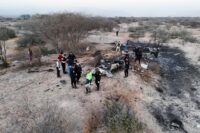
The tragic crash of a small aircraft over Peru’s Nazca Lines, killing 13 European tourists, is a stark reminder that the world remains a dangerous place where personal safety often hinges on individual preparedness rather than reliance on distant authorities. While the victims were simply sightseeing, the incident underscores how quickly a routine excursion can turn deadly—far from any immediate help, in a region where law enforcement response times can stretch into hours. For the 2A community, this isn’t just another headline; it’s a case study in why the right to bear arms isn’t merely about home defense or sport, but about maintaining a fundamental layer of self-reliance when systems fail or threats emerge without warning.
Beyond the immediate loss of life, the story highlights the vulnerability of travelers in regions where legal carry options are nonexistent or heavily restricted. European tourists, many from countries with some of the strictest gun-control regimes in the world, had no means of personal protection even if the crash had been survivable and secondary dangers—looting, wildlife, or worse—had materialized. In contrast, American citizens exercising their Second Amendment rights can, in many jurisdictions, travel with a legally carried firearm, turning what might be a helpless situation into one where they retain at least a fighting chance. The Nazca crash isn’t an argument for paranoia; it’s a quiet affirmation that freedom to defend oneself isn’t a luxury—it’s a practical necessity when the unpredictable strikes.
Ultimately, this incident feeds into a broader cultural conversation: the 2A isn’t just about guns; it’s about mindset. It’s about rejecting the notion that safety is someone else’s job and embracing the responsibility that comes with liberty. Whether it’s a mechanical failure at 10,000 feet or a more terrestrial threat on the ground, the principle remains the same—those who prepare are rarely at the mercy of chance. The 13 lives lost over the Nazca Lines deserve more than fleeting headlines; they should prompt a renewed commitment to the idea that self-defense is a human right, not a privilege granted or revoked by geography.


