

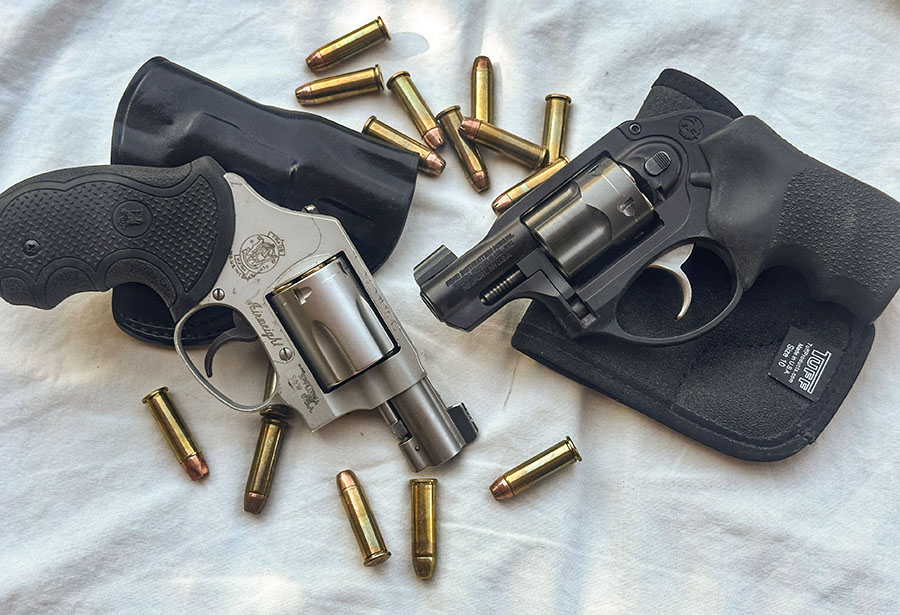
The notion that a second pistol somehow replaces the need for spare magazines is one of those tidy-sounding shortcuts that collapses the moment you step outside the gun-store echo chamber. In a real defensive encounter the limiting factor is rarely the number of guns on your belt; it is the number of rounds you can deliver before the threat is stopped or you are forced to reload under stress. Carrying an extra handgun may feel like redundancy, but it is usually just weight that cannot feed the gun already in your hand, while a spare magazine tucked in a pocket or appendix carrier adds capacity without forcing you to holster, draw, and transition under fire. The article’s framing treats the question as a binary choice between “paranoid” and “prudent,” yet the data from after-action reports and force-on-force training consistently shows that reloads happen more often than most civilians expect and that a second gun is rarely the fastest way to restore capacity.
For the broader Second Amendment community the debate is less about gear lists and more about mindset. The same people who insist that “two is one and one is none” when it comes to pistols often balk at the idea of carrying an extra magazine, revealing a selective application of redundancy. Training budgets, legal carry restrictions, and the simple physics of concealment all push practitioners toward lighter, more efficient solutions; an extra magazine weighs ounces, fits in the same footprint as a folding knife, and keeps the primary weapon in the fight. Framing spare ammo as optional luxury rather than standard operating procedure quietly normalizes the idea that defensive shootings are tidy, low-round-count events—an assumption that has already cost people their lives when the first magazine runs dry at the worst possible moment.
Ultimately the choice between an extra gun and extra ammunition is not a purity test; it is a logistics problem that every carrier must solve with honest assessment of threat, clothing, and training time. The 2A community benefits when that conversation stays grounded in performance data rather than social-media one-liners, because the right to keep and bear arms includes the practical ability to employ them effectively when seconds count.


