

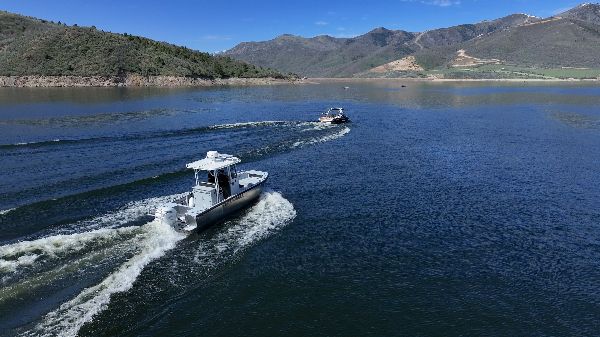
Utah’s decision to flood its waterways with extra game wardens over the Independence Day weekend isn’t just about keeping drunks off jet-skis; it’s a textbook example of how state agencies leverage holiday enforcement surges to normalize expanded regulatory footprints that can later bleed into the firearms world. When the same officers who write BUI tickets also handle concealed-carry complaints on the water, the paperwork, databases, and inter-agency data-sharing habits they build during “Operation Dry Water” become permanent infrastructure that can be repurposed for tracking lawful gun owners under the guise of “public safety.” The National Association of State Boating Law Administrators and the Coast Guard may frame this as a narrow alcohol initiative, but every new citation, every new digital log, and every new joint-training exercise quietly widens the aperture through which government views citizens who choose to carry on their boats.
For the 2A community the lesson is straightforward: enforcement campaigns that start with an uncontroversial goal—stopping impaired boaters—quickly accustom both the public and the bureaucracy to higher levels of surveillance and contact. Once the Fourth of July banners come down, the extra patrol hours, the citation quotas, and the inter-agency MOUs rarely disappear; they simply migrate to the next priority, whether that is magazine restrictions on the water or “safe storage” checks at the boat ramp. Law-abiding gun owners who also boat should treat these holiday crackdowns as dress rehearsals for how easily a state can pivot from regulating behavior to regulating hardware, and they should push their legislators now to codify strict limits on data retention and mission creep before the next “operation” quietly includes firearms.


