

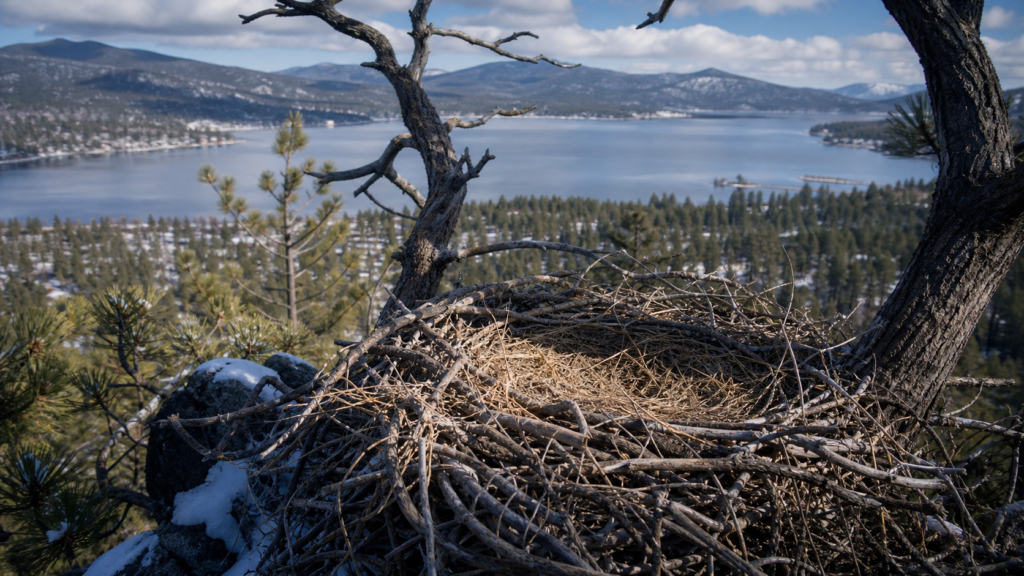
The $5.5 million donation from OpenAI President Greg Brockman to preserve bald eagle habitat near Big Bear Lake is more than a feel-good conservation story—it’s a reminder that private capital, not government edict, remains the most efficient tool for protecting both wildlife and the rural character that makes hunting, shooting, and land stewardship possible. By stepping in at the eleventh hour to outbid a housing developer, Brockman’s gift kept a mile-wide buffer between the eagles’ nest and future subdivisions, preserving not only nesting trees but also the quiet, open spaces that hunters and recreational shooters rely on for access and safety. In an era when federal land agencies increasingly close roads and restrict dispersed camping under the banner of “habitat protection,” this transaction shows how voluntary markets can achieve the same ecological goals without the collateral damage of locked gates and “no shooting” signs.
For the 2A community, the lesson is twofold. First, it underscores the value of property rights: once land is purchased outright, its future use is locked in by deed rather than by the shifting priorities of distant bureaucrats. Second, it highlights an emerging alliance between conservation buyers and traditional users of the land. Groups like the San Bernardino Mountains Land Trust have historically partnered with sportsmen to maintain access corridors; when high-net-worth individuals fund these purchases, they often bring both the cash and the political insulation needed to fend off anti-hunting litigation that might otherwise follow a government acquisition. In short, Brockman’s check didn’t just save an eagle—it quietly reinforced the principle that private ownership, not regulatory fiat, is still the best guarantor of the places where Americans hunt, shoot, and pass on the outdoor heritage.


