

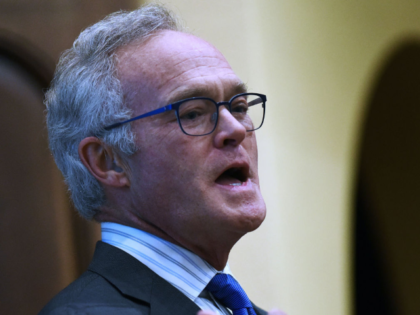
Scott Pelley’s on-air tantrum wasn’t just another cable-news sideshow; it was a perfect snapshot of how legacy media now treats any fact that refuses to fit the approved narrative as an existential threat. When the veteran correspondent snapped at a colleague for daring to mention inconvenient data on crime or the border, he revealed the same reflexive hostility that surfaces whenever the Second Amendment enters the conversation. For the gun-owning public, the moment crystallizes why so many no longer trust outlets like 60 Minutes to report honestly on defensive gun uses, shall-issue permitting, or the steady stream of studies showing armed citizens deterring violence rather than causing it.
The deeper problem is structural. Pelley and his cohort operate inside an ecosystem where dissent on cultural issues—whether it’s questioning “assault weapon” bans or noting that most mass shootings occur in gun-free zones—triggers institutional panic rather than journalistic curiosity. That mindset trickles down to coverage of every major 2A development: the surge in new gun owners among minorities, the success of constitutional carry in dozens of states, or the repeated failure of magazine restrictions to reduce crime. When reporters view gun owners as the enemy rather than a legitimate constituency, accuracy becomes secondary to narrative maintenance, leaving millions of Americans to piece together the real story from primary data and independent analysts.
For the 2A community, episodes like Pelley’s meltdown are less about one aging correspondent and more about why alternative platforms and direct court victories now drive policy more than televised outrage. Every time legacy media melts down over lawful carry or the right to keep and bear arms, it accelerates the migration of viewers toward sources that treat self-defense as a fundamental liberty instead of a public-health crisis. The result is a widening credibility gap that no amount of on-air scolding can close.


