

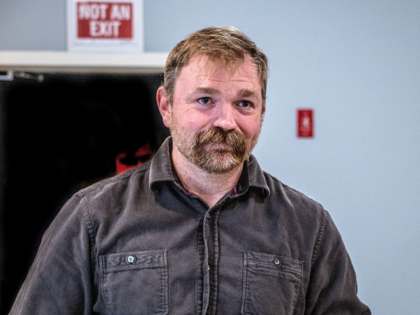
Graham Platner’s refusal to fold under pressure isn’t just stubbornness—it’s a calculated bet that the same voters who once shrugged at a Nazi tattoo might still reward authenticity over apology theater. In a political climate where every misstep is treated like a capital crime, Platner is gambling that Mainers will see the tattoo as a youthful lapse rather than a defining ideology, and that the media pile-on will ultimately backfire by exposing the left’s selective outrage. For the 2A community, this moment is a reminder that the right to keep and bear arms is only as secure as the people willing to defend it without flinching; when candidates treat every controversy as an extinction-level event, they hand the cultural high ground to those who want to disarm law-abiding citizens under the guise of moral hygiene.
The deeper implication is that Platner’s persistence forces a broader conversation about redemption, consistency, and who actually gets to define “extremism.” If a single tattoo can disqualify someone from office, then the same standard should apply to politicians who have cheered for policies that strip citizens of their firearms or celebrated riots that left neighborhoods in ruins—yet those figures rarely face the same career-ending scrutiny. By staying in the race, Platner keeps the focus on policy substance rather than symbolic purity tests, which matters because gun-control advocates thrive when debates stay mired in personal attacks instead of data on defensive gun uses, shall-issue permitting, or the failures of “red flag” laws that disarm without due process.
For Second Amendment supporters, the takeaway is strategic: candidates who refuse to self-cancel demonstrate that resilience can shift the Overton window back toward individual liberty. Platner’s stand may not win him the seat, but it signals to future contenders that folding at the first sign of opposition only accelerates the erosion of rights that depend on unapologetic defenders in office.


