

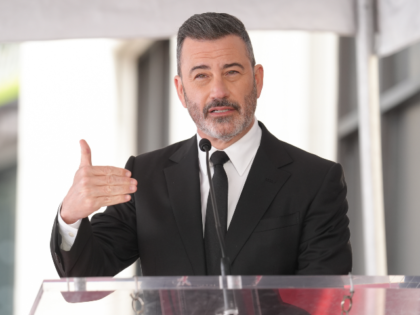
Disney’s decision to weaponize Jimmy Kimmel’s taxpayer-subsidized platform against Spencer Pratt isn’t just another late-night tantrum; it’s a textbook example of how legacy media conglomerates convert public spectrum into private political real estate. While Kimmel rails against a reality-TV personality for daring to question official narratives, the same corporate parent that owns ABC also bankrolls content pipelines pushing cultural agendas that treat the Second Amendment as a punchline rather than a civil right. The irony is thick: Disney lectures Americans about “misinformation” from a broadcast license granted by the very public whose constitutional protections it routinely mocks on air.
For the 2A community, this episode underscores a larger pattern—media entities that enjoy government-granted privileges feel emboldened to marginalize gun owners while shielding favored causes from scrutiny. When a network uses its monopoly on “must-carry” airwaves to frame lawful firearm ownership as extremism, it chills open debate and normalizes the idea that only approved viewpoints deserve amplification. That dynamic matters at the ballot box and in the culture, because every minute spent demonizing responsible gun owners is a minute not spent examining rising urban crime rates tied to failed progressive policies on policing and prosecution.
The takeaway is straightforward: if Disney can turn public airwaves into a daily anti-Republican war room, the 2A movement must treat media capture as seriously as legislative threats. Supporting alternative platforms, demanding spectrum accountability, and reminding audiences that the First Amendment protects all speech—including the right to keep and bear arms—aren’t optional extras; they’re core defensive lines in preserving both gun rights and the broader ecosystem of free expression.


