

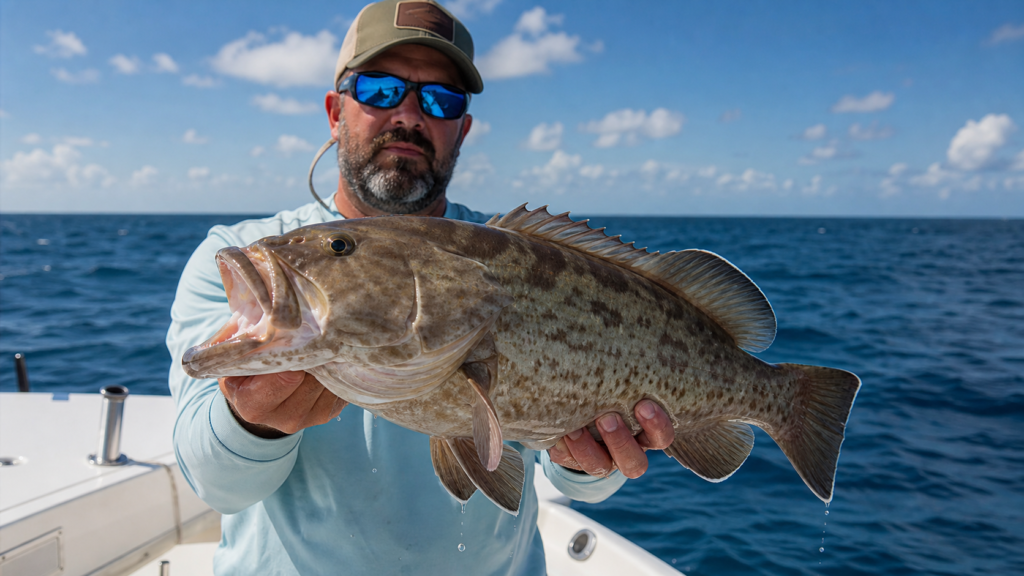
Gulf anglers staring down a 54.7 percent cut in the Other Shallow-Water Grouper complex and a six-month recreational closure starting January 2027 are watching the same regulatory machinery that has steadily squeezed firearm ownership for decades. NOAA’s justification—stock assessments that conveniently ignore decades of artificial-reef data and shifting ocean temperatures—mirrors the selective science used to justify magazine bans and “assault weapon” definitions. Both rely on worst-case modeling, ignore real-world behavior, and punish the law-abiding participant while commercial interests negotiate side deals that keep their allocation largely intact.
The timing is no accident. A January-through-June shutdown lands squarely on the months when many working families schedule their annual offshore trips, effectively pricing out the average boater the same way pistol braces and bump-stock rules priced out budget-conscious shooters. When regulators claim the reductions are “temporary,” history shows the temporary rarely reverses; once a quota is lowered, the new baseline becomes the floor for the next round of cuts. That pattern should sound familiar to anyone who has watched state after state ratchet down magazine capacities under the banner of “common-sense reform.”
For the 2A community the lesson is straightforward: the same coalition of federal agencies, environmental NGOs, and coastal elites driving these closures is already eyeing private-land restrictions, lead-ammunition bans, and expanded marine monuments that could lock out both fishing and shooting. Every angler who shrugs and says “it’s just fish” is ceding ground that will eventually be used against firearm owners. The fight over grouper limits is therefore not a niche conservation debate; it is another front in the broader contest over whether individual citizens retain the practical ability to use public resources—or whether access becomes a privilege dispensed by bureaucrats who answer to donors rather than voters.


