

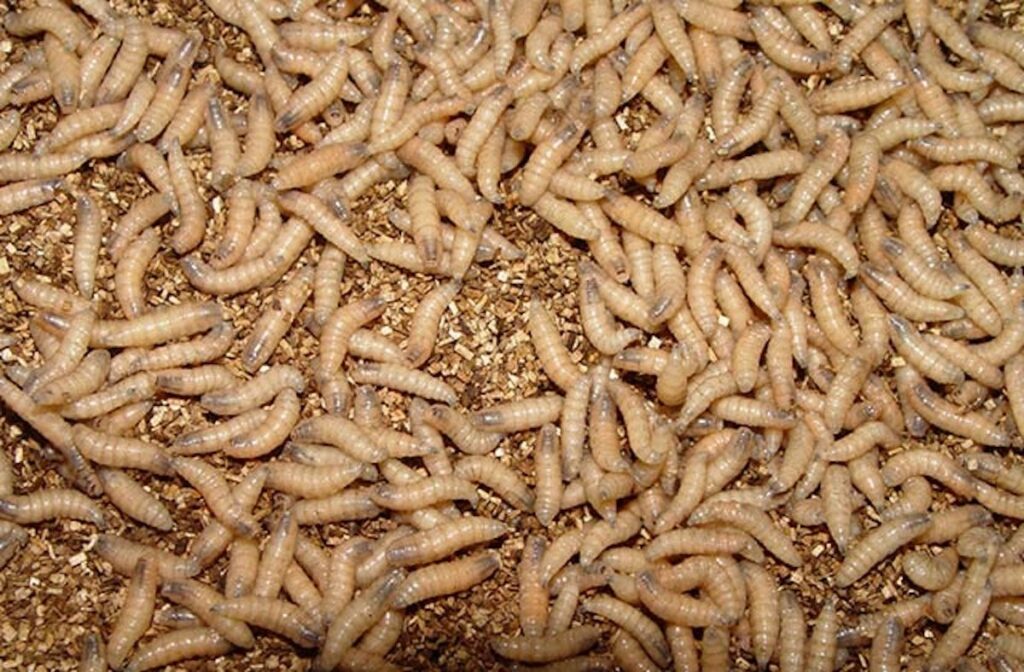
The return of the New World screwworm to Texas and New Mexico is more than a ranching nightmare—it’s a stark reminder that nature doesn’t respect borders or bureaucratic timelines. This parasitic fly’s larvae literally eat livestock and wildlife alive, forcing officials into emergency containment that will almost certainly include aerial baiting, ground inspections, and movement restrictions on animals. For the 2A community, the practical takeaway is immediate: any rancher or rural landowner who already carries a sidearm or keeps a rifle handy for predator control now has another reason to stay armed and ready. Coyotes, feral hogs, and now screwworm flies all demand the same mindset—self-reliance when government response lags behind the threat.
Beyond the immediate livestock losses, the outbreak exposes how fragile our food supply chain remains when invasive species reappear after decades of suppression. Historical eradication programs relied on sterile-insect releases and tight coordination; any delay or funding shortfall could let the fly push farther north, driving up beef and game prices while pressuring already-stretched state wildlife agencies. Second Amendment advocates have long argued that armed citizens are the first line of defense in rural America; this episode reinforces that point by showing how quickly a biological problem can outrun slow-moving federal agencies. The same people who keep rifles for four-legged predators may soon find themselves needing them for rapid dispatch of suffering animals when veterinary services are stretched thin.
Ultimately, the screwworm’s reappearance is a policy stress test. It will reveal whether states double down on local control and private-landowner cooperation or default to top-down edicts that ignore the practical realities of vast Western ranges. For gun owners, the lesson is consistent with every other rural challenge: preparedness, marksmanship, and the legal right to protect property remain the most reliable tools when nature or bureaucracy turns hostile.


