

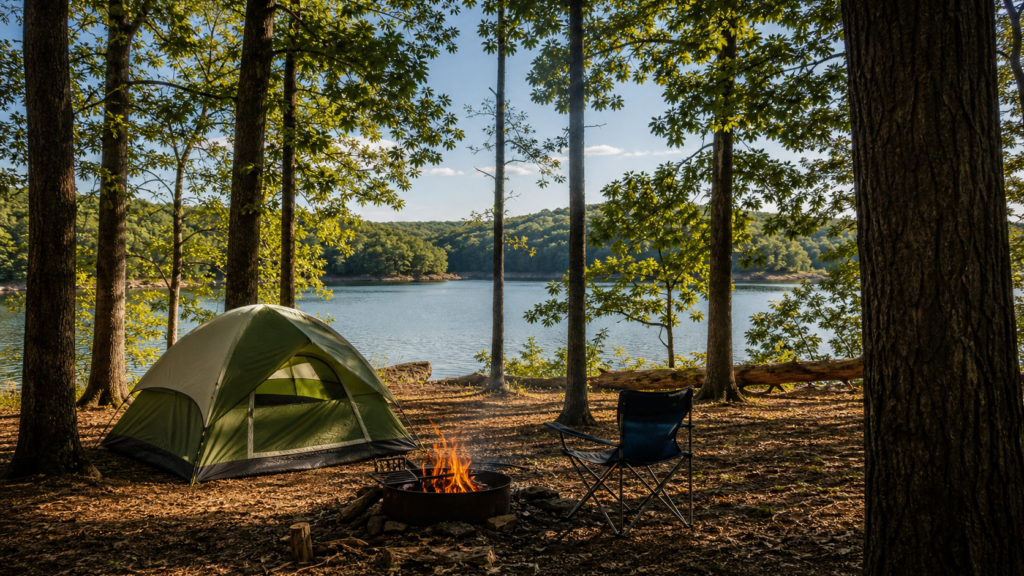
Missouri’s decision to slap a five-buck nightly fee on what used to be free camping at conservation areas is more than a nickel-and-dime policy tweak—it’s a quiet reminder that public land access is never truly “free” once government starts treating it like a revenue stream. For decades, these parcels have served as low-cost gateways for hunters, anglers, and recreational shooters who rely on dispersed camping to reach remote ranges or set up base camps for multi-day outings. When the state begins metering every tent stake, it effectively raises the cost of participating in the very activities the Second Amendment protects: lawful carry, marksmanship practice, and the self-reliant lifestyle that depends on being able to stay overnight without breaking the bank.
The deeper implication is that once fees are normalized, the next logical step is usually tighter regulation—permit lotteries, seasonal closures, or outright restrictions on discharge of firearms. Missouri’s conservation commission already floats ideas like “quiet zones” and time-of-day shooting curfews; adding a financial barrier simply gives bureaucrats another dial to turn when pressure from anti-gun groups or budget hawks intensifies. In practical terms, a family that once drove out for a weekend of plinking and small-game hunting may now weigh an extra twenty dollars against fuel and ammo costs, nudging marginal participants toward indoor ranges or, worse, out of the lifestyle entirely.
For the 2A community the lesson is straightforward: every incremental fee or rule on public land is a potential choke point. Staying engaged with state conservation commissions, pushing for statutory protections that lock in traditional access, and supporting groups that litigate these creeping restrictions are no longer optional—they’re the cost of keeping the doors to the woods from swinging shut one five-dollar toll at a time.


