

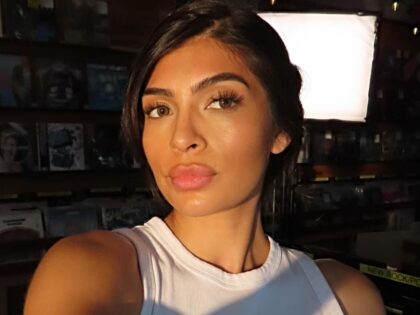
Brittany Boltinhouse’s lawsuit against the Miss USA organization is more than a beauty-pageant spat; it’s a textbook case of how private institutions now police speech with the same zeal once reserved for governments. The former Miss North Carolina USA claims she was stripped of her crown for social-media posts that the pageant deemed “offensive,” yet the organization has so far refused to quote the offending language or show how it violated any written rule. That vagueness is strategic: it lets pageant officials invoke vague “community standards” while shielding themselves from scrutiny, a tactic that chills expression far beyond the runway. For Second Amendment advocates, the episode is a reminder that cultural institutions—media, corporations, even beauty contests—have become de-facto censors, and that the First Amendment’s protections are only as strong as our willingness to litigate when private power mimics state coercion.
The deeper implication is that the same discretionary standards used to punish pageant contestants can just as easily be turned against gun owners who post range photos, defend constitutional carry, or criticize “assault-weapon” legislation. If a swimsuit competition can demand ideological conformity, imagine what HR departments, social-media platforms, or financial institutions could do with similar speech codes. Boltinhouse’s decision to sue forces the question into open court: either the pageant must prove its rules were clear and narrowly tailored, or it must concede that it punished protected expression. That precedent matters to the 2A community because every successful push-back against viewpoint discrimination widens the Overton window for lawful gun owners to speak without fear of professional or social cancellation. In short, a tiara may seem trivial, but the principle at stake—whether private arbiters can weaponize “decency” clauses to silence dissent—is anything but.


