

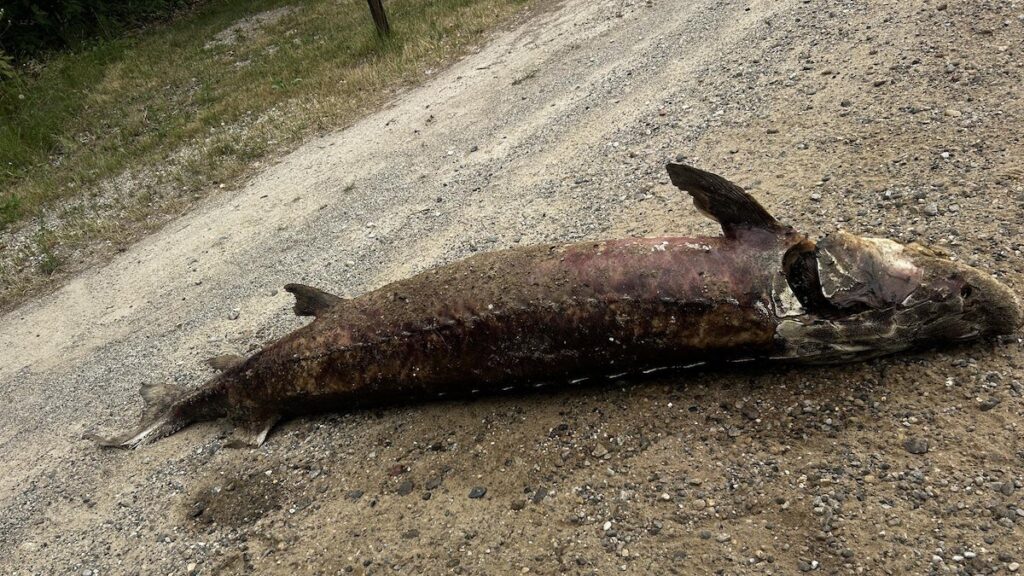
A 71-inch lake sturgeon left to rot on a Michigan roadside isn’t just a wildlife crime—it’s a textbook example of what happens when the state treats every citizen like a potential poacher instead of a responsible steward. Michigan’s lake sturgeon population has been recovering for decades thanks to strict harvest rules, yet the DNR’s response to this single dead fish is an all-hands investigation complete with public appeals for tips. That reflex reveals a deeper mindset: the assumption that any large, protected animal found dead must be the work of an armed citizen rather than disease, boat strike, or simple old age. For Second Amendment supporters, the episode is a reminder that the same agencies quick to criminalize the mere possession of a fish are equally eager to treat lawful gun owners as suspects first and citizens second.
The optics matter. A six-foot sturgeon is an impressive, almost prehistoric catch; if the fish had been taken legally under a tightly controlled tag system, the story would read like a once-in-a-lifetime trophy. Instead, the narrative is framed as another reason to tighten rules and expand enforcement budgets. That framing ignores the reality that the overwhelming majority of Michigan sportsmen and sportswomen already comply with complex permitting, tagging, and reporting requirements. When one illegal act is used to justify broader suspicion of the entire firearms-owning, fishing, and hunting community, trust erodes. Law-abiding gun owners who also hunt and fish understand that sustainable wildlife management depends on ethical behavior, but they also know that ethical behavior is undermined when regulations become so labyrinthine that accidental violations carry felony-level consequences.
Ultimately, the sturgeon story is less about one dead fish and more about the creeping expansion of the administrative state into every corner of outdoor life. Firearm owners who value both the right to keep and bear arms and the right to responsibly harvest game see the same pattern: new rules, new reporting mandates, new penalties, and little acknowledgment that the regulated community is overwhelmingly law-abiding. The DNR’s investigation may eventually identify a culprit, but the larger damage—further alienation between sportsmen and the agencies that depend on them—will linger long after the fish is buried.


