

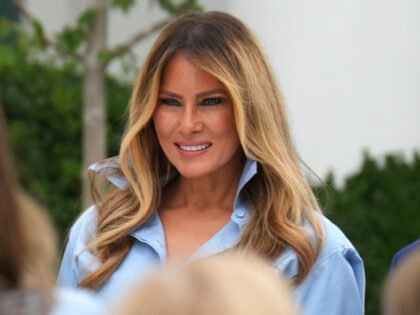
When the First Lady’s Fostering the Future initiative announced a $2 million IndyCar-Fox Sports scholarship package for Purdue and Indiana University, the optics were pure STEM-forward philanthropy—yet the ripple effects for the Second Amendment community are worth watching. Both schools already host robust engineering and motorsports programs that feed directly into the precision-manufacturing pipeline: CNC programmers, ballistic-test engineers, and aerospace composites specialists who routinely migrate into the firearms sector. By underwriting tuition for the next generation of Hoosier innovators, the initiative is effectively subsidizing the talent bench that keeps American gunmakers competitive against overseas imports—especially as polymer-frame striker-fired pistols and suppressor-ready carbines demand ever-tighter tolerances and lighter materials.
Equally telling is the optics shift. In an era when legacy media still frames motorsports as culturally adjacent to gun culture, the White House stage managed to pair an all-American racing series with land-grant universities whose ag-and-engineering DNA has long been friendly to rural, self-reliant values. The result is a soft-power counternarrative: instead of ceding “future of work” rhetoric to coastal coastal campuses that treat the AR-15 as a prop in the culture war, the initiative plants credentialed talent inside institutions that still teach trigger-pull dynamics in undergrad ballistics labs and host active NCAA rifle teams. For 2A advocates scanning the long game, that is more durable than any single piece of legislation; it is an investment in the human capital that will design, certify, and market the next generation of lawful arms.


