

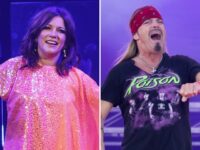
Martina McBride and Bret Michaels joining the growing list of artists backing out of the “Freedom 250” concert isn’t just another celebrity scheduling conflict—it’s a calculated retreat from an event explicitly tied to Second Amendment advocacy and patriotic messaging. Organizers framed the show as a celebration of American liberty, complete with pro-2A messaging and support for constitutional carry initiatives, yet the moment the spotlight turned to those principles, high-profile talent suddenly discovered “prior commitments.” This pattern reveals how quickly the entertainment industry distances itself from anything that challenges the coastal consensus on guns, even when the audience paying the tickets is overwhelmingly made up of the very fans who keep country and rock radio profitable.
For the 2A community the takeaway is straightforward: reliance on mainstream performers for pro-freedom messaging is a fragile strategy. When artists fear losing streaming deals or coastal media approval more than they value the rural and working-class listeners who actually buy their records, the movement needs to cultivate its own talent pipeline—independent musicians, veteran performers, and rising acts willing to stand on principle rather than chase the next endorsement. The cancellations also underscore why direct-to-fan platforms, private venues, and state-level events matter; they reduce the leverage outsiders can exert when cultural pressure campaigns begin.
Ultimately, the “Freedom 250” story is less about two missing headliners and more about a widening cultural gap the firearms community can exploit by building parallel institutions instead of renting space in someone else’s. Every time an artist walks away, it hands pro-2A organizers another data point to show fans exactly where their ticket dollars and loyalty have been going, accelerating the shift toward home-grown entertainment that doesn’t treat constitutional rights as a liability.


