

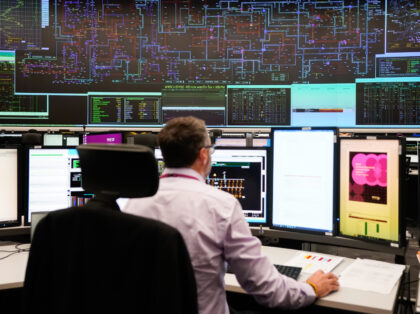
Britain’s National Grid operator is now investigating itself over a near-miss blackout that could have plunged millions into darkness, and the optics are exactly what you’d expect when the same people who run the system get to decide whether they hid critical failures. Whistleblowers who flagged the cover-up are reportedly facing pressure rather than protection, which tells you everything about how institutions protect their own when the lights almost went out. For the 2A community this isn’t some distant utility drama; it’s a live demonstration of what happens when centralized control meets real-world stress and then tries to police its own mistakes.
The deeper problem is the same one that surfaces every time government or quasi-government bodies handle high-stakes infrastructure: once you concentrate authority, the incentive to admit error shrinks while the power to silence dissent grows. A grid that can’t reliably keep the lights on is the same kind of single point of failure that makes self-reliance attractive, whether that means backup power, fuel reserves, or the ability to defend what you have when systems collapse. The 2A angle is straightforward—rights that exist only on paper become meaningless if the state can’t or won’t maintain the baseline conditions that let people exercise them.
Critics calling this “marking their own homework” aren’t exaggerating; they’re describing the predictable outcome of any monopoly that answers only to itself. When the same entity that failed also investigates the failure, the public is left trusting process over results, and that trust erodes fast once the lights flicker. For gun owners who already treat institutional competence as a variable rather than a given, the lesson is to keep planning for the day the grid doesn’t hold and the people in charge decide the story matters more than the truth.


