

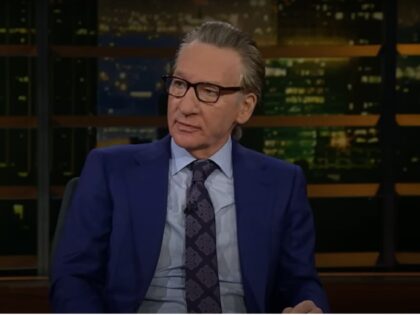
Bill Maher’s blunt dismissal of the “Islamophobia equals antisemitism” narrative lands like a cold splash of reality in a culture that prefers comforting fictions. While Jewish Americans have felt compelled to tuck away Stars of David and avoid public displays of faith, the same streets that once hosted anti-Israel encampments now see keffiyehs worn openly as fashion statements. Maher’s observation isn’t just about optics; it underscores a deeper asymmetry in how Western societies police speech and symbols. For the 2A community, the lesson is unmistakable: when one group’s identity is treated as inherently suspect and another’s is celebrated, the same selective logic can be turned against gun owners who openly carry or display pro-Second Amendment insignia. The right to bear arms, like the right to wear religious symbols, depends on consistent application of equal protection rather than fashionable hierarchies of victimhood.
The deeper implication for firearms culture is that free expression and self-defense are intertwined. If society normalizes the idea that certain identities or beliefs deserve extra insulation from criticism while others can be mocked or suppressed, the same double standard will eventually target the very tools that let individuals protect themselves when institutions fail. Maher’s monologue reminds us that antisemitism has historically escalated from rhetoric to violence; the same trajectory can be traced in attacks on gun ranges, pro-2A rallies, and lawful carriers who are demonized as “extremists.” By refusing to equate every phobia or prejudice, Maher inadvertently defends the principle that rights are individual and universal, not contingent on which demographic is currently in political favor. For those who value both the First and Second Amendments, the takeaway is clear: defend consistent standards today, or risk watching your own symbols and safeguards become the next items hidden from public view.


