

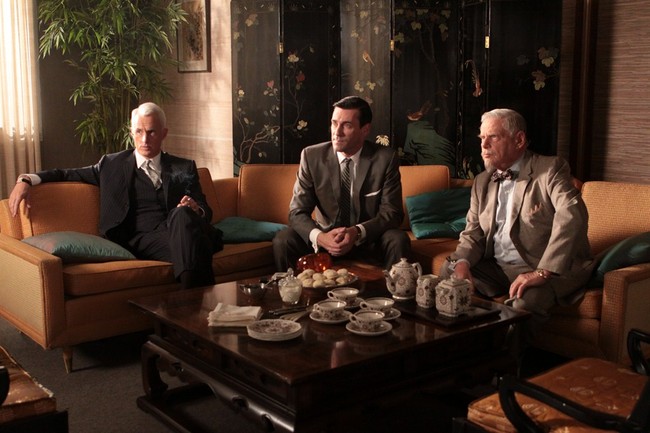
The latest wave of television commercials has taken aim at men with a level of contempt that feels less like satire and more like coordinated messaging. Where once ads portrayed fathers as bumbling but lovable, today’s spots often cast them as dangerous, clueless, or in need of correction by smarter, more capable women and children. This shift tracks directly with the broader “toxic masculinity” narrative pushed by brands chasing ESG scores and activist investors, turning 30-second spots into miniature morality plays that frame traditional male traits—strength, stoicism, self-reliance—as problems to be solved rather than virtues to be celebrated.
For the firearms community this matters because the same cultural machinery that mocks men for opening pickle jars also works to pathologize the very attributes that make responsible gun ownership possible: situational awareness, mechanical competence, and the willingness to accept personal responsibility for protection. When advertisers equate masculinity with menace, they soften public support for the Second Amendment by associating it with the caricature they’ve created on screen. The result is a feedback loop where fewer young men see firearms training as a normal extension of adult competence, while legacy media and corporate messaging reinforce the idea that only government-approved “safety” narratives are acceptable.
The backlash is already visible in declining sales for brands that lean hardest into the anti-male shtick and in the parallel rise of direct-to-consumer companies that speak to men without apology. Viewers are voting with their remotes and their wallets, and the 2A world should take note: cultural ground is as important as legislative ground. When the stories a society tells about its men turn openly hostile, the right to keep and bear arms becomes harder to defend—not because the law changed, but because the cultural permission to exercise it quietly eroded.


