

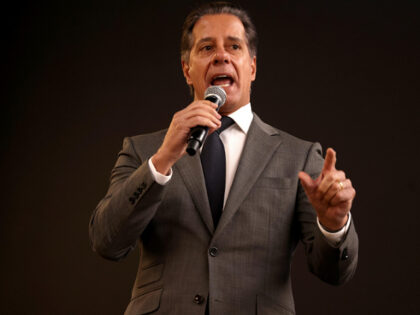
Alberto Carvalho’s abrupt exit from the Los Angeles Unified School District after a four-month federal probe is more than a personnel shake-up—it’s a flashing warning light for any district that treats armed self-defense as a greater threat than the violence already stalking its campuses. While the investigation’s specifics remain sealed, the timing is telling: LAUSD has spent years doubling down on “gun-free zone” signage, metal-detector theater, and zero-tolerance policies that disarm staff and parents alike, all while real-world shootings on or near school property continue to make national headlines. Carvalho’s resignation suggests the feds may have uncovered the predictable result of that approach—systemic failures in security planning that left students exposed rather than protected.
For the 2A community the lesson is straightforward: when administrators prioritize optics over layered security that includes trained, armed personnel, they create soft targets that invite tragedy. The same federal scrutiny now aimed at LAUSD could just as easily land on any large urban district that refuses to revisit its blanket prohibition on licensed carry, even as neighboring jurisdictions quietly adopt school-marshall programs with measurable drops in response times. Parents and teachers who have long argued that “more guns in the right hands” beats another glossy active-shooter binder are watching to see whether Carvalho’s departure forces a policy reckoning or simply installs another superintendent committed to the same failed model.
The broader implication is that school safety is no longer a local PR issue; it is becoming a matter of federal interest precisely because the human cost of disarmament policies has grown too large to ignore. If the investigation reveals that LAUSD leadership knowingly sidelined armed-resource proposals in favor of feel-good signage, expect renewed pressure nationwide for states to restore the right of qualified staff to carry on campus. In short, one superintendent’s resignation may mark the first crack in a long-standing wall of denial that has kept millions of students inside ideologically “gun-free” but practically undefended zones.


