

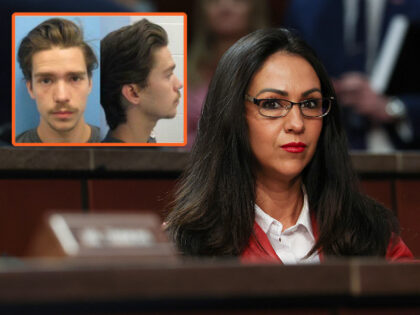
Tyler Boebert’s arrest on child-sex-exploitation charges lands like a gut-punch to the very families the Second Amendment community claims to defend. The 21-year-old’s alleged conduct is not a policy dispute or a partisan talking point; it is a direct violation of the moral order that gun owners invoke when they say an armed society is a polite society. If the allegations hold, the Boebert family’s public brand—built on open-carry rallies, school-board skirmishes, and “parents’ rights” rhetoric—now carries the stain of the very predation that responsible gun culture insists it stands against.
For the broader 2A world the episode is a reminder that background-check databases and “red-flag” conversations are only as credible as the people who populate them. When a congresswoman’s own household becomes Exhibit A in a child-exploitation case, every future claim that “law-abiding gun owners” are definitionally safe neighbors loses a layer of armor. Training classes, safe-storage PSAs, and constitutional-carry arguments all rest on the premise that firearms stay in trustworthy hands; that premise is harder to sell when the next viral clip shows a lawmaker’s son in an orange jumpsuit.
The political fallout will be loud, but the cultural takeaway is quieter and more durable: credibility on gun rights is not secured by bumper-sticker slogans alone. It is earned, case by case, through households that treat both liberty and responsibility as non-negotiable. Tyler Boebert’s legal jeopardy is a single data point; whether the community treats it as an outlier or as a warning label will shape how seriously the rest of the country takes our assurances that an armed populace remains a virtuous one.


