

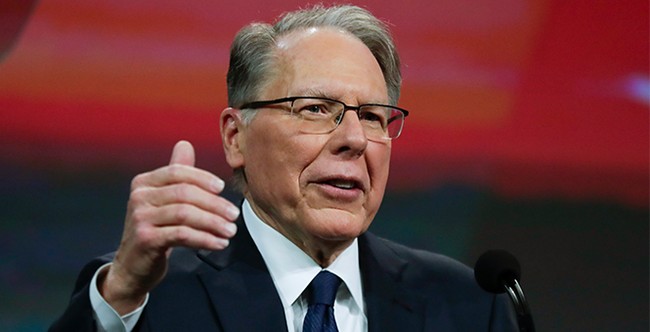
Wayne LaPierre’s reported multimillion-dollar debt to the NRA isn’t just another line item on a troubled balance sheet—it’s a flashing red light for an organization that once defined the modern gun-rights movement. The suggestion that the freshly rebranded 1791 Foundation might serve as a vehicle to square that debt raises an eyebrow because it blurs the line between personal liability and institutional mission at a moment when every donor dollar is being scrutinized. If the foundation’s new branding is meant to evoke founding-era principles, tethering it to settling LaPierre’s obligations risks turning a symbol of constitutional fidelity into a settlement fund, something that could chill grassroots enthusiasm faster than any court filing.
For the broader 2A community the stakes are strategic as much as financial. A generation of younger activists and donors already questions whether legacy groups can separate self-preservation from principle; watching settlement money potentially flow through a rebranded entity only feeds that skepticism. At the same time, the episode underscores how expensive legal exposure and governance lapses have become force-multipliers for the gun-control side, draining resources that could otherwise fund litigation, training, or state-level legislative defense. If the 1791 Foundation is to avoid becoming a punchline, its leadership will need to demonstrate—quickly and transparently—that its mission remains the protection of individual rights rather than the retirement of one man’s tab.


