

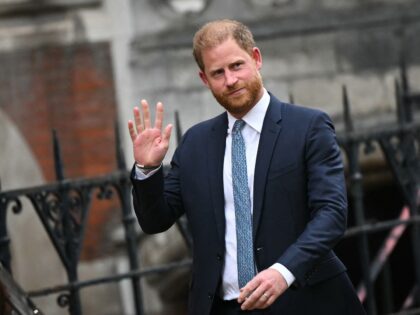
King Charles extending an olive branch to Prince Harry and his family after years of estrangement is more than a royal family drama—it’s a reminder that even the most entrenched institutions eventually have to confront the cost of division. The King’s decision to host his youngest son and meet with Meghan and the children signals a pragmatic recognition that public perception, family cohesion, and institutional legitimacy all suffer when rifts are allowed to fester. For the 2A community, the parallel is obvious: when governments or cultural elites treat law-abiding gun owners as permanent outsiders rather than fellow citizens, they risk the same slow erosion of trust that Buckingham Palace is now trying to reverse.
The timing is telling. After six years of headlines about Sussex separatism, the palace appears to be prioritizing quiet diplomacy over continued public sniping. That shift matters because it shows power centers can recalibrate when the political or social price of exclusion becomes too high. Second Amendment advocates have watched similar dynamics play out in statehouses and courtrooms, where once-hostile officials suddenly discover the value of outreach once lawsuits, elections, or polling data make continued alienation expensive. The lesson is that reconciliation, when genuine, can stabilize institutions; when it’s merely performative, it only delays the next fracture.
What remains to be seen is whether this royal reset produces lasting change or simply buys time before the next public disagreement. The 2A community has its own version of that question playing out in real time—whether recent bipartisan gestures on everything from suppressors to permitless carry represent durable progress or temporary cease-fires. King Charles’s move suggests that even centuries-old traditions can adapt when the alternative is permanent estrangement; the same principle applies to a constitutional right that depends on consistent public and political support rather than inherited deference.


