

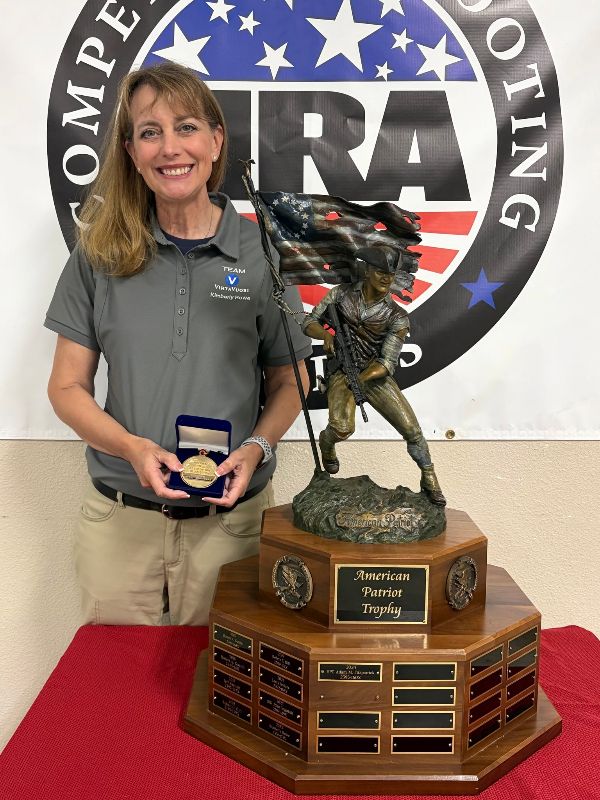
Kim Rowe’s sweep of the 2026 NRA Mid-Range and Long-Range titles is more than a personal milestone; it’s a vivid reminder that precision rifle competition remains one of the most effective proving grounds for the very equipment law-abiding citizens rely on for both sport and self-defense. By stacking the Patriot Minuteman Trophy atop multiple podium finishes, Rowe demonstrated that the same Vihtavuori powder, Berger bullets, and Lapua brass that deliver sub-MOA groups at 1,000 yards are the same components millions of reloaders trust when they assemble defensive and training ammunition at home. In an era when regulators eye component availability and powder imports with thinly veiled hostility, her victories quietly underscore why any restriction on these materials would directly impair not only competitive shooters but the broader ecosystem of lawful gun owners who depend on consistent, high-quality reloading supplies.
What makes Rowe’s run especially resonant for the 2A community is the way it collapses the artificial line some politicians try to draw between “sporting” firearms and those suitable for militia or defensive use. The rifles, optics, and handloads that dominate national championships are the identical platforms civilians train with for home defense, vehicle-borne threats, and disaster-response scenarios. When a top competitor publicly credits her edge to freely chosen premium components rather than some government-approved load, she reinforces the principle that responsible citizens—not bureaucrats—should decide what ammunition best serves accuracy, reliability, and safety. Her success also spotlights the economic argument: companies like Vihtavuori and Berger thrive because American shooters reward performance, not because they enjoy regulatory safe havens. Any policy that throttles access to these products under the guise of “public safety” would simply hand a competitive advantage to foreign state-owned factories while punishing the very Americans whose marksmanship heritage the Second Amendment was meant to preserve.
Finally, Rowe’s story offers a practical recruiting narrative the pro-2A movement can deploy without apology. Young shooters scrolling through match results see a woman topping leaderboards with openly declared commercial loads, not some obscure military surplus. That visibility matters when the cultural narrative still paints firearms ownership as a relic of an older generation. By winning with reloads any civilian can duplicate, she models both technical excellence and quiet defiance of the notion that only government-approved actors should possess match-grade capability. In short, her trophies are tangible proof that the right to keep and bear arms is exercised most vividly on the firing line, one precisely placed shot at a time.


