

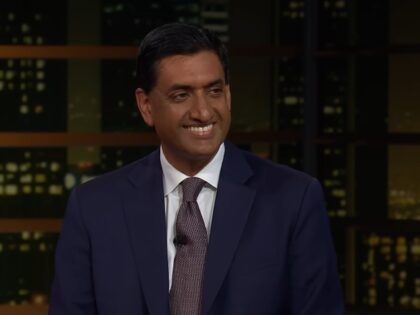
Rep. Ro Khanna’s claim that Vermont’s single-payer collapse was merely a waiver problem is the same logic gun-control advocates use when they insist “we just need one more law.” Vermont’s own Democratic governor admitted the plan would have required an 11.5 percent payroll tax and still left a multi-billion-dollar hole; federal money was never going to paper over that math. The deeper lesson for the 2A community is that once government becomes the sole payer, it gains the same leverage it already wields against firearm manufacturers through banking “Operation Choke Point” tactics and insurance blacklists—only now it would control every doctor’s reimbursement and every hospital’s survival.
Khanna’s federal-waiver fix simply nationalizes the failure: instead of one state discovering that price controls drive providers out and rationing in, the entire country gets one centralized thumb on the scale. That thumb already hovers over the firearms industry via ATF rule-making and proposed excise-tax hikes; handing it the entire healthcare system would let Washington tie Medicare payments to whether a trauma center treats gunshot wounds from “assault weapons” or participates in red-flag reporting. Gun owners who cheered when Vermont’s plan cratered should recognize the same central-planning impulse now dressed up as compassion.
The takeaway is straightforward: every expansion of federal spending power is another vector for restricting the right to keep and bear arms. Whether the issue is suppressing firearm-suppressor R&D through NIH grants or conditioning hospital funding on gun-confiscation compliance, the pattern is identical—money becomes the muzzle. Khanna’s Vermont excuse proves the point: when the experiment fails at the state level, the solution is never to abandon the premise, but to force everyone else to fund it.


